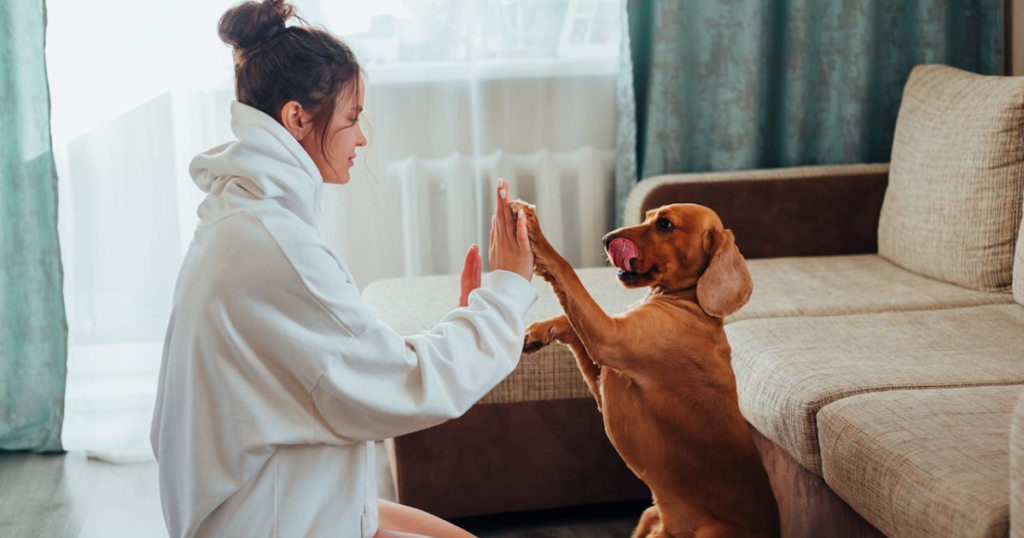
To train a dog at home, start in a quiet space, use simple commands like sit and stay, reward good behavior immediately, and keep sessions short and consistent.
One night, I saw my dog tilt his head in confusion as he tried to understand what I was saying. His eyes, on the other hand, revealed that he trusted me and was eager to learn. That moment made me see how effective home training can be for patience. Training a dog at home helps them trust you and understand you better. This guide shows you how to train a dog at home in simple, suitable steps.
You don’t need to hire professional trainers to get started. Being patient and sticking to your plans are the most important things. Training at home makes learning safe. When dogs learn at home, they are calmer. This method is ideal for people who have never owned a dog before. The language used is clear and easy to understand. Let’s start your dog’s training journey with confidence.

How To Train a Dog at Home for Beginners (Step-by-Step)
Getting ready should always come first when training a dog for the first time. Pick a quiet, familiar place to train. Take away things that are loud or distracting, like toys. In quiet places, dogs can focus better. Make your dog training for beginners sessions short and fun. Ten minutes per session is a good amount of time. To be consistent, train at the same time every day. Dogs pick up routines quickly. Speak clearly and in a calm voice. Don’t yell or punish at all. Encouragement makes good behavior grow. This way of thinking helps with training your dog to be obedient at home.
Basic Dog Training Commands Every Dog Should Know
Teaching dogs basic commands helps keep them safe and disciplined every day. Start with commands that your dog will use every day. These commands help people behave better and make things more organized. Dogs learn what is expected of them better when they practice regularly. Dogs learn best when they do things over and over and get rewards. Training your dog regularly helps them trust you and follow your commands. Here is a simple list of important commands.
These basic dog training commands help build obedience, safety, and daily discipline.
|
Command |
Purpose |
Daily Use |
|
Sit |
Calms behavior |
Before meals |
|
Stay |
Builds control |
At doors |
|
Come |
Improves safety |
Outdoor walks |
|
Down |
Encourages calmness |
Rest time |
|
Leave it |
Prevents danger |
During walks |
|
Heel |
Improves control |
Leash walking |
|
No |
Stops unwanted behavior |
Anytime |
Give treats and praise right after they do well. Always say the command clearly and with confidence. Don’t change the words you use to give basic dog training commands too often. Dogs remember things better when they are consistent. Make sure your training sessions are short and fun. Finish each session on a high note. The basis of lifelong obedience training is simple commands.
Step-by-Step Dog Training Method for Beginners
Follow this simple step-by-step dog training method at home.
1. Give the command clearly
The first thing to do is give the order clearly and calmly. To avoid confusion, always use the same word. Say the command in a friendly but firm way. Before you talk, make sure your dog is paying attention. This helps your dog connect the word with what it means. Gently repeating the command helps people get used to it.
2. Show the action
The next step is to demonstrate the action correctly. Use hand signals or treats to show your dog where to go. Dogs learn faster when they see things. While showing the action, be patient. Give your dog time to get used to the movement. This step links the word to the action.
3. Guide gently
The third step is to give gentle advice and support. Help your dog if it has trouble at first. Don’t pull or push too hard. Calm guidance helps people feel more sure of themselves and trust. Dogs learn better when they know they have help. This step helps people feel less scared and unsure.
4. Reward immediately
The fourth step is to give rewards right away for success. Give treats, praise, or love as rewards. Rewarding behavior strongly reinforces good behavior. When you give rewards, timing is very important. Dogs remember things better when they get praise right away. This step makes your dog want to do good things again.
5. Practice daily
The last step is to do it every day. Every day, at the same time, practice the command. Being consistent helps you remember things and react faster. The best way to do it is in short sessions every day. Regular practice naturally builds discipline. Your dog will get used to following commands over time.
Core Dog Obedience Training Commands (Sit, Stay, Come)
Sit Command Training
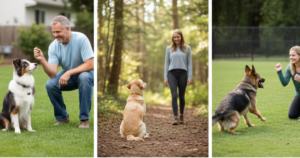
One morning, while I was walking my dog, he suddenly ran toward the road. That moment taught me how important obedience training is. The sit, stay, and come commands are the most important parts of dog obedience. These commands help you keep your dog safe and under control every day. Start by teaching them the basic sit stay come command. Put a treat close to your dog’s nose and move it slowly up and down. When your dog sits down on its own, say “sit.” Give praise or a treat right away as a reward. This helps your dog understand the word and do what you want faster.
Stay Command Training
When your dog knows how to sit, teach it how to stay. Tell your dog to sit before you start. Clearly show your palm and say “stay” in a calm voice. Take a small step back and stop. Go back to your dog and give it a treat if it stays still. Slowly increase the distance over time. This command helps you learn how to be patient and control yourself. It also helps you deal with things like opening doors and having guests.
Come Command Training
Use a leash to teach the come command at first. Use the word “come” to happily call your dog. If you need to, gently pull on the leash. Give your dog a treat as soon as he gets to you. Use a happy voice to get people excited. This command makes it easier to remember things and stay safe outside. When used together, these commands make for strong obedience and daily discipline.
Positive Reinforcement Dog Training for Long-Term Success
Positive reinforcement training makes dogs want to do good things again and again. Always give a reward right after someone does something right. Treats, praise, or playtime are all ways to reward someone. Dogs do better when you are kind and encouraging. This method helps you and your dog trust each other. It also makes people more likely to want to train. Stay away from methods that use punishment or fear. Negative ways of teaching make learning take longer and hurt confidence.
For training to work, you need to be consistent. Every time, use the same rewards and time. Slowly cut back on treats as behavior gets better. Later, replace food rewards with praise. This keeps your dog alert without making it dependent. Dogs that get positive reinforcement are happy and sure of themselves. It helps people stay obedient over time.
Benefits of Positive Reinforcement Dog Training
- Builds strong trust between you and your dog
- Encourages dogs to learn willingly and happily
- Reduces fear, stress, and anxiety during training
- Improves focus and faster learning responses
- Strengthens long-term obedience naturally
- Boosts confidence in shy or anxious dogs
- Creates a positive and safe learning environment
- Increases motivation to repeat good behavior
- Improves communication between the owner and the dog
- Supports consistent behavior in daily routines
Conclusion
It’s easy and fun to know how to train a dog at home. Training your dog at home helps you trust them for life. Start slowly and keep going. Every day, use simple commands to train your dog. Be patient when you do dog obedience training at home. Train your dog one step at a time. Do the sit, stay, and come commands often. For the best results, use positive reinforcement training. Keep teaching dogs basic commands every day. Your dog will do well if you love and care for it consistently.

Hi, I’m Emily! As a certified canine behaviorist and proud dog mom based in Colorado, my goal is simple: to help you and your pup live a happy, balanced life together.
With over a decade of hands-on experience in positive reinforcement and pet nutrition, I share practical, science-backed advice that actually works in the real world. When I’m not writing, you’ll usually find me exploring mountain trails with my two rescue dogs, Max and Luna.