To trim your dog’s nails safely at home, use proper clippers, cut small sections at a time, avoid the quick, stay calm, and reward your dog after each nail. Good lighting and patience reduce injury risks.
How To Trim Your Dog’s Nails Safely at Home
Dog nail trimming is an important part of caring for your dog. Long nails hurt and make it difficult to move around during the day. Many dog owners don’t trim their dogs because they’re scared. They are afraid they will hurt their dog by accident. This stress goes down when you learn how to trim your dog’s nails at home. Learning to trim your dog’s nails safely at home not only prevents pain but also builds long-term trust between you and your dog.

How To Trim Your Dog’s Nails Safely: Why It’s Important
Long nails affect dogs’ paws. This unnatural position puts stress on muscles and joints. Over time, the stress makes it hard to walk and stand up straight. Dogs may hurt when they stand or run. It can hurt when nails crack, split, or break. If you break your nails, they can bleed and get infected. It is difficult to heal these wounds. Regularly following dog nail trimming tips can help avoid these risks. Short nails let the paw move naturally. Smooth floors make dogs feel more stable. The right nail length makes it easier to move around. Long-term joint health depends on having healthy nails. Cutting your nails also keeps people from accidentally scratching themselves.
How Often Should You Trim Dog Nails
The speed at which a dog’s nails grow is different for each dog. Your nail length depends on your lifestyle and how active you are. Dogs that stay inside need to be trimmed more often. Outdoor dogs may naturally wear down their nails. But natural wear isn’t always even. Long nails make clicking sounds on floors. If your nails touch the ground, you need to trim them right away. Knowing how often to trim your dog’s nails helps prevent discomfort and long-term paw problems. Regular trimming keeps things from getting out of hand. Trimming slowly keeps the quick shorter. Regular checks help keep nails at a safe length. Over time, consistency makes trimming easier.
Nail Trimming Frequency Guide
The ideal nail trimming schedule depends on your dog’s size, age, and activity level.
| Dog Type | Activity Level | Recommended Trimming Frequency |
| Small indoor dogs | Low activity | Every 2–3 weeks |
| Medium dogs | Moderate activity | Every 3–4 weeks |
| Large active dogs | High activity | Every 4–6 weeks |
| Senior dogs | Low activity | Every 2–3 weeks |
Tools Needed For Safe Dog Nail Trimming
Using the wrong tools increases the risk of injury for both you and your dog. There are different kinds of nail clippers. Guillotine clippers work well on small dogs. Scissor clippers work better on big dogs. Nail grinders cut nails slowly and evenly. They lower the risk of cutting too deeply.
Styptic powder stops bleeding right away. Always keep it close by while you trim. Keeping tools clean stops infections. Sharp tools make cuts that are cleaner. Dull blades make nails crack. A comfortable grip gives you better control. Picking the right tools makes you feel more sure of yourself. Nail trimming is an essential part of dog grooming care and should be done regularly.
Common Tools for Trimming Dog Nails
| Tool Type | Best For | Key Benefit |
| Guillotine clippers | Small dogs | Clean and precise cuts |
| Scissor clippers | Large dogs | Strong grip and control |
| Nail grinders | Nervous dogs | Smooth trimming safely |
| Styptic powder | All dogs | Stops bleeding quickly |
How To Safely Cut Your Dog’s Nails At Home
Pick a place that is calm and quiet. Make sure the lighting is good so you can see better. First, let your dog smell the tools. This practice makes people less afraid and more curious. Gently but firmly hold the paw. Cut small pieces off the nail. Don’t cut big pieces all at once. Don’t continue cutting until you reach the quick. The quick is easy to see on light-colored nails. You need to cut dark nails slowly.
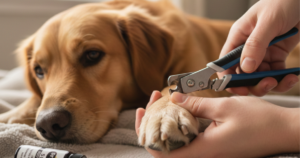
Cut until you see a gray center. If your dog is nervous, let him take short breaks. Stay calm and talk the whole time. Give your dog a treat after each nail. Praise and treats make people want to work together. Short sessions help you relax. Over time, being consistent leads to better results.
Knowing The Quick And Bleeding Risks
The quick contains blood vessels and nerves. It hurts and bleeds when you cut it. Dogs can suddenly pull their paws. Both the dog and the owner may be scared when they see blood. The American Kennel Club recommends gradual trimming to prevent injuries. Cutting small amounts keeps the quick short. Dark nails completely cover the quick. Grinding lowers the risk of bleeding. Styptic powder stops bleeding right away. If you start to bleed, put gentle pressure on it. Stay calm to calm your dog down. Knowing how nails are made makes trimming easier.
How To Trim Dog Nails Safely If Your Dog Is Nervous
- To keep your dog from getting too stressed, start with very short trimming sessions. Cutting one nail at a time helps you get used to it slowly.
- Instead of doing it all at once, spread out nail trimming over a few days. This lowers stress and stops bad connections from forming.
- Give treats before and after trimming to make people feel good. Rewards make dogs think of trimming as a good thing.
- Speak in a calm and soothing voice the whole time. Scared dogs will feel better when you talk to them in a calm voice.
- Don’t hold someone down forcefully, as it makes them more afraid and resistant. Handling things gently builds trust over time.
- Nail grinders might not seem as scary as clippers. Before cutting, slowly introduce the sound.
- Without cutting, touch and hold your dog’s paws every day. Handling regularly makes it easier to touch your paws.
- Be patient and supportive during every session. Nervous dogs do best when they get the same gentle care every time.
Long Nails Can Cause Health Problems
Dogs may feel uncomfortable when they stand or walk. Affected dogs may develop arthritis earlier. Nails that are long are more likely to break or crack. When you break a nail, it hurts a lot and bleeds. Infections spread quickly through open wounds. Injuries to the nails often take a long time to heal.
Dogs may not want to do things because they hurt. Less movement makes muscles and joints weaker. Long nails make it more likely that you will slip on smooth floors. When you slip, you can fall and hurt yourself. Regular trimming keeps these health problems from happening. Healthy nails help you feel good and move around easily for a long time. It’s always easier to stop something from happening than to treat it.
When Not To Trim At Home
If your nails are really long, don’t trim them at home. Long quicks make it more likely that you will bleed painfully. Proper medical care is needed for nails that are infected. If your nails are cracked or split, you should see a professional. Aggressive dogs can be hazardous when grooming. Expert handling prevents injuries in these cases. Dogs with bleeding problems need to see a vet.
Puppies may need help when they first start getting their nails trimmed. Professional groomers know how to safely deal with tough nail problems. Vets know how to deal with complicated nail issues. Knowing your limits can keep you from getting hurt. Getting professional help is good for both the dog and the owner.
Making A Schedule For Nail Trimming
Get your tools ready ahead of time. Always give your dog a treat. Check the length of your nails once a week. Change the frequency based on how fast it grows. Routine helps lower anxiety over time. Dogs learn what to expect. Being consistent makes it easier to work together. Regular care builds trust. Trimming becomes easy to do regularly.
Wrapping Up
Cutting a dog’s nails is very important for its health. Trimming safely keeps you from hurting yourself and having bad posture. Learning how to cut your dog’s nails at home will make you feel more sure of yourself. Success comes from being patient and consistent. Happy, active dogs need healthy nails. Safe and regular dog nail trimming keeps your pet comfortable, active, and confident throughout life.

Hi, I’m Emily! As a certified canine behaviorist and proud dog mom based in Colorado, my goal is simple: to help you and your pup live a happy, balanced life together.
With over a decade of hands-on experience in positive reinforcement and pet nutrition, I share practical, science-backed advice that actually works in the real world. When I’m not writing, you’ll usually find me exploring mountain trails with my two rescue dogs, Max and Luna.