Have you ever looked at your dog and wondered, ‘Can dogs have Down syndrome?’ You’re not alone, many pet parents ask this question. This question comes to many pet parents’ minds after observing unusual facial features, late learning, and different behavior in their furry friends. The internet may be full of posts and tips about a dog with Down syndrome, but the reality is a little more complex than just answering yes or no.
Let’s discuss in more detail in the guide, in a scientific way, without confusing language, so you know exactly what is meant by a dog with down syndrom and how to take care of your dog correctly.
Can Dogs Have Down Syndrome?
Dogs can’t have Down Syndrome; they can possess chromosomal abnormalities which causes to the conditions similar to those in dogs with Down syndrome.
These include developmental disorders, coordination disorders, and clear physical features like a compressed face, small limbs, and a smaller height. Because of all these differences, the accurate genetic condition that causes Down syndrome in humans never occurs in dogs.
So when people say can dogs have Down syndrome?, what they are often observing is other genetic and developmental conditions that look exactly similar on down syndrom.
Why Do Some Dogs Show Symptoms of Down Syndrome?
While dogs can’t technically have Down syndrome, some may show symptoms that are similar to it. This is why you will usually hear terms like dog with Down syndrome used casually online.
These features may stem from conditions like inherited birth defects, genetic disorders, learning disabilities, nerve disorders, or hormonal imbalances.
These symptoms can affect a dog’s appearance, manners, and learning ability, creating so much confusion among pet parents.
Symptoms of Down Syndrome in Dogs
Many people are trying to find the reasons for dogs with Down syndrome symptoms, but they are actually noticing the signs of other medical conditions. These symptoms generally don’t point to Down syndrome, but they definitely indicate that your dog needs a veterinary opinion. Common symptoms include:
- Compressed facial features
- Disturbed or tilted eyes
- Small-sized ears or an uneven skull shape
- Short height
- Poor muscles
- Late learning or no control over commands
- Abnormal walking patterns
- Regular infections
Common Conditions Mistaken for Down Syndrome in Dogs
There are some symptoms usually confused with a dog having Down syndrome symptoms:
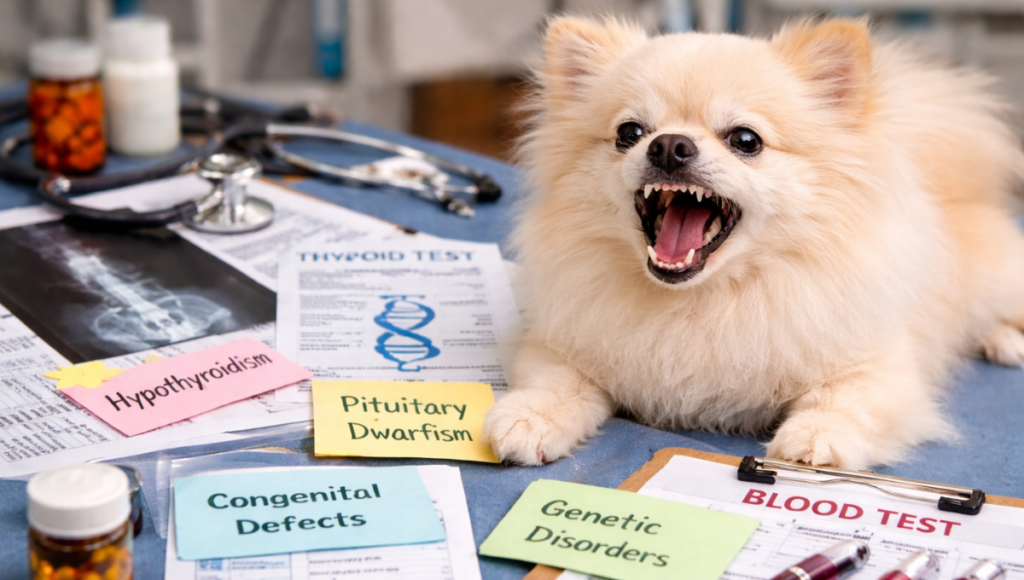
Inherent Underactive Thyroid:
This condition can be affected by slower growth, dullness, and appearance changes.
Hydrocephalus:
Hydrocephalus is often noticed in toy breeds, which leads to water retention in the brain, causing a spherical head and nervous system issues.
Pituitary Insufficient Growth:
This affects growth and development, making dogs appear unusually small with puppy-like features.
Genetic Disorders:
Dogs can have genetic disorders, which are rare, which generaly affects the physical and mental growth.
The Importance of Proper Diagnosis
Classifying your pet as a dog with Down syndrome definaetly feel upset, but it is important to get the proper treatment. Early diagnosis enhances the quality of life, especially if the condition is treatable. A veterinarian can rush tests like:
- Blood panels
- Hormone level tests
- Neurological tests
- X-ray or MRI
Managing Health Issues in Special-Needs Dogs
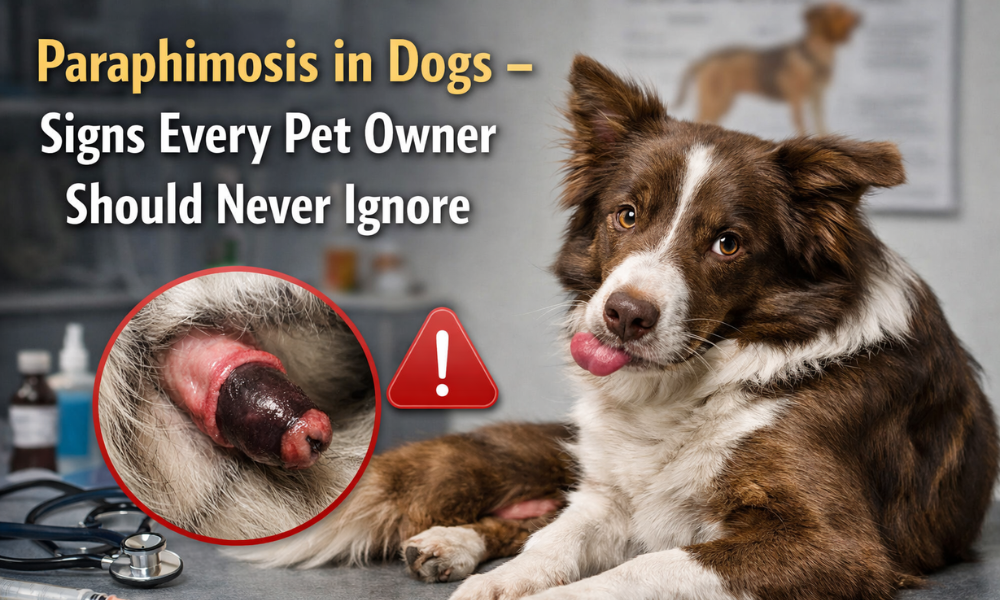
Dogs with developmental and genetic conditions can also be sensitive to secondary health issues, including fertility or genital problems like paraphimosis in dogs.
For instance, a dog with paraphimosis, in this condition penis becomes blocked outside the sheath, which occurs in a dog with muscle sickness or nerve issues. So the special condition dogs need an extra observation and intense care.
How to Care for a Dog With Developmental Challenges
Although the answer to, can dogs have Down syndrome? No, but still, the dogs with similar challenges can live a happy life. Patience and consistency are most important in such a case.
Here’s how you can help:
- Strictly follow the routine.
- Use strengthening training
- Schedule regular vet check-ups
- Watch carefully for physical changes
- Keep your pets’ environment safe and stress-free
- Address emergencies
Should You Be Worried?
Not necessarily all dogs, but many dogs showing signs of Down syndrome can live happy, joyful lives with some proper care. What matters most is not the classification but the understanding of your dog’s unique requirements and meeting them with sympathy.
If you feel something unusual, trust your gut feeling about your beloved pet and immediately consult a vet. Taking proper care can make a big difference.
Final Thoughts
So, now you know the answer to the question: Can dogs have Down syndrome? Exactly, the answer is no, but dogs seens a conditions that look exactly similar to symptoms. Identifying your pet, a dog with Down syndrome, can feel upset, but with proper diagnosis is important for your pet’s health and comfort.
Focus less on the syndrome and focus more on the care of your dog with love, attention, and proper medical care. Dogs with developmental issues can be pleasant right by your side.

Hi, I’m Emily! As a certified canine behaviorist and proud dog mom based in Colorado, my goal is simple: to help you and your pup live a happy, balanced life together.
With over a decade of hands-on experience in positive reinforcement and pet nutrition, I share practical, science-backed advice that actually works in the real world. When I’m not writing, you’ll usually find me exploring mountain trails with my two rescue dogs, Max and Luna.