If you are worried and thinking, my dog has a dry cough and then gags, is this serious?
Hearing that harsh, hacking sound followed by gagging can be scary. Sometimes it sounds like your dog is trying to cough something up, but nothing comes out. The good news is that in many cases it is treatable. However, in some situations it needs urgent veterinary attention.
If the symptoms are ignored and there is an underlying disease causing them, the condition can progress into a potentially life-threatening situation. It is important to understand what causes a dog to cough or gag and what you can do to prevent unnecessary problems from developing.
In this guide, we will break down the common causes of dog coughing and gagging, the symptoms to watch for, and what to do next.

👉 Quick Guide for Dog Owners
What Does It Mean When My Dog Has a Dry Cough and Then Gags?
When you notice my dog has a dry cough and then gags, it usually means there is irritation in the throat, airway, or lungs. Your dog may have a dry, hacking cough that sounds loud or honking, sometimes followed by retching or gagging, and occasionally producing white foam.
This combination of gagging and coughing in dogs can point to infections, heart problems, allergies, or even something stuck in the throat.
Some common causes of coughing and gagging in dogs include:
Kennel Cough
Kennel cough is one of the most common reasons pet owners say, my dog has a dry cough and then gags.
Symptoms:
• Dry and honking cough
• Gagging followed by coughing
• Mild runny nose
• Low or slightly reduced energy levels
Kennel cough spreads easily in boarding kennels, dog parks, and grooming salons. It is similar to a chest cold in humans.
What to do?
• Keep your dog separated from other dogs
• Use a harness rather than a collar
• Visit your veterinarian if symptoms last more than 7 days
In mild cases, dogs may recover within 1–3 weeks.
Something Stuck in the Throat
If your dog suddenly starts coughing and gagging, especially after chewing on a toy or stick, something may be lodged in the throat.

Symptoms:
• Sudden onset of coughing
• Pawing or touching the mouth
• Excessive slobbering
• Signs of discomfort or panic
This situation can become dangerous quickly.
What to do?
• Check your dog’s mouth carefully
• Do not reach deep into the throat blindly
• Seek emergency veterinary care immediately
If you suddenly notice my dog has a dry cough and then gags, do not ignore the symptoms.
Heart Disease
Older dogs that experience coughing and gagging may have heart problems.
Congestive heart failure can cause fluid buildup in the lungs, which leads to persistent coughing.
Symptoms:
• Coughing at night
• Reduced stamina
• Faster breathing
• Swollen abdomen
What to do?
If your dog has a dry cough and then gags regularly, especially at night, schedule a veterinary appointment as soon as possible.
Allergies or Irritants
Dust, smoke, pollen, and strong perfumes can irritate your dog’s airway.
Symptoms:
• Seasonal coughing
• Sneezing
• Watery eyes
• Mild gagging
If coughing and gagging mainly happen after walks or cleaning activities, environmental irritants may be the cause.
What to do?
• Use air purifiers in your home
• Avoid smoke exposure
• Wash bedding regularly
• Consult your veterinarian about antihistamines
Tracheal Collapse
Tracheal collapse is common in small dog breeds.
Symptoms:
• A cough that sounds like a goose honk
• Gagging after excitement
• Coughing when pressure is applied to the leash
Pet owners often report my dog has a dry cough and then gags when the dog becomes excited.
What to do:
• Switch from a collar to a harness
• Maintain a healthy weight
• Ask your veterinarian about medications
When Should You Worry?
Occasional coughing and gagging in dogs may not always be serious, but you should seek immediate veterinary care if you notice any of the following symptoms:
• Blue or pale gums
• Difficulty breathing
• Extreme tiredness or inactivity
• Loss of appetite
• A cough lasting longer than two weeks
• Coughing up blood
If you notice any of these symptoms in your dog, contact your veterinarian immediately.
Home Care Tips
If your veterinarian confirms that your dog has mild kennel cough or airway irritation, you can:
• Keep your dog well hydrated
• Use a humidifier to add moisture to the air
• Avoid strenuous activity
• Offer soft food if your dog’s throat is sore
Never give your dog human cough medicine without veterinary advice.
How Vets Diagnose Dog Coughing and Gagging
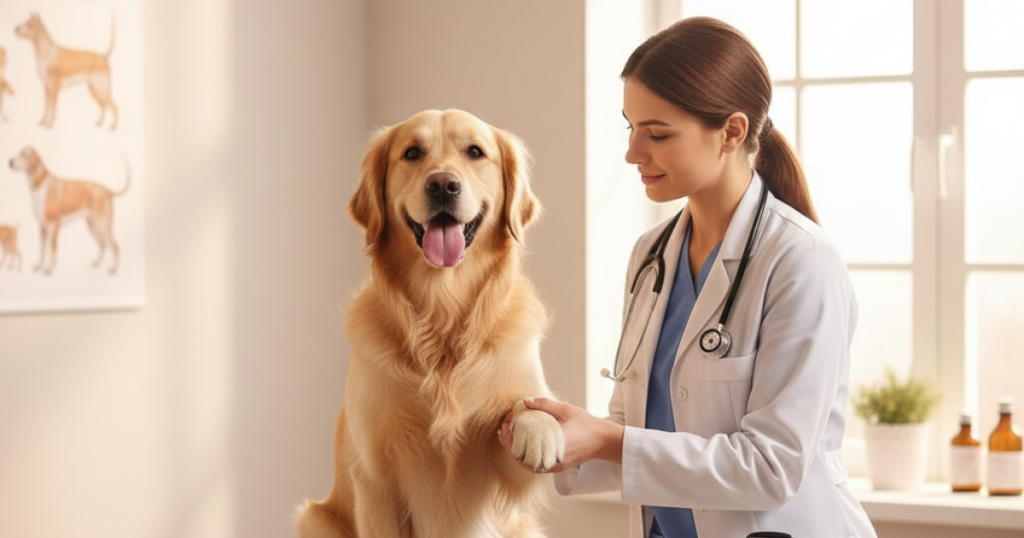
When you visit a veterinary clinic for dog coughing and gagging, your veterinarian may:
• Listen to the heart and lungs
• Perform chest X-rays
• Recommend blood tests if necessary
• Run tests for infections
Proper diagnosis is important because treatment depends on the underlying cause.
Final thoughts
If you are worried because my dog has a dry cough and then gags, remember that not all coughs are emergencies, but they should never be ignored.
In many cases, dog coughing and gagging are caused by kennel cough or mild irritation. However, persistent coughing and gagging in dogs could signal heart disease, airway collapse, or something stuck in the throat.
When in doubt, consult your veterinarian. Early treatment can prevent serious complications and help keep your furry friend healthy and comfortable.