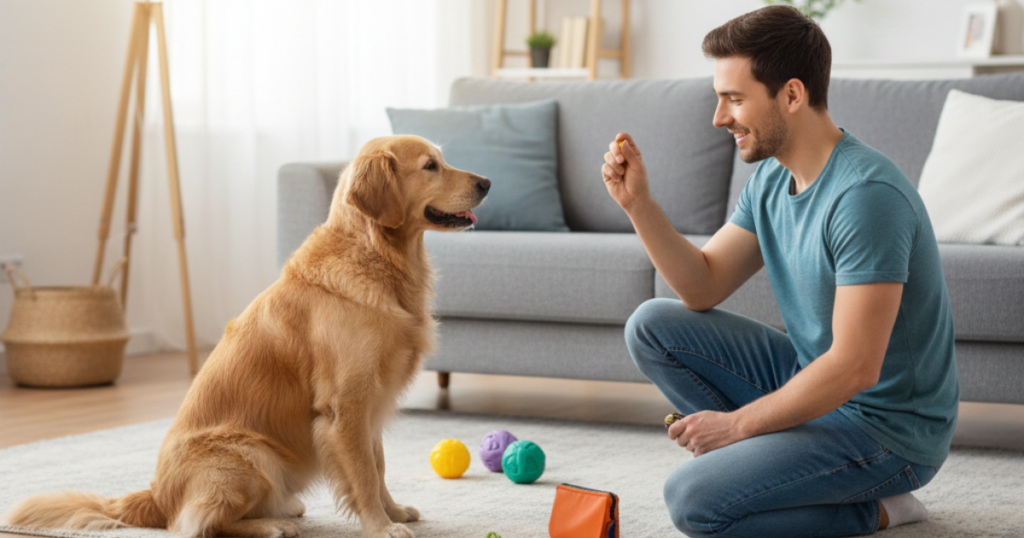
Effective dog training is built on communication, consistency, and positive reinforcement, not control. This complete dog training guide covers dog psychology, breed-specific behavior patterns, puppy training basics, essential commands, real-life behavior problems, and anxiety training, all explained through simple, practical steps you can start using today.
Whether you have a new puppy learning their first commands, an adult dog that needs better leash manners, or a rescue dog working through anxiety, this guide gives you clear, honest, and actionable training methods that actually work in real homes.
The best way to train a dog is through positive reinforcement, rewarding good behavior immediately with treats, praise, or play, combined with consistent commands, calm tone, and short daily sessions. Most dogs show noticeable improvement within 2 to 4 weeks of consistent practice.
What you will learn in this guide:
- How dog psychology and body language shape behavior and training
- Breed-specific training differences — working, guarding, and companion breeds
- Puppy training basics — toilet training, crate training, leash training, socialization
- Seven essential commands every dog should know
- How to handle barking, separation anxiety, aggression, and leash pulling
- Anxiety training for noise, travel, and fear-based reactions
- The right training tools and a sample daily training routine
I was confused when my puppy Max first didn’t listen to my “sit” command. I thought he would be able to figure everything out on his own. But that moment taught me something important. Training isn’t about being in charge. Communication is a big part of training.
A bold dog training guide helps people learn more about their dogs. It helps people and dogs trust each other. Training your dog also keeps him or her safe. A dog that has been trained is calm, safe, and sure of itself. It stays away from dangerous behavior and stressful accidents. The bond between you and your dog gets stronger as he or she learns your voice and what you want.
This guide shows you the best ways to train your dog in very simple terms. It teaches you how to train your dog with positive reinforcement. It also shows you how to train a dog at home with real-life examples. You will learn how to correct your dog’s behavior in a gentle way. You will also learn some common tips for how to deal with dogs that will make your life easier.

Understanding Dog Behavior
Dogs act the way they do because of their instincts, feelings, past experiences, and the rules they learn at home. Training dogs is easier, and everyday interactions feel more natural, when owners know how dogs think, act, and communicate. This section looks at the psychology behind dog behavior and how different breeds have their own unique behavioral patterns.
According to American Kennel Club training resources, understanding a dog’s natural instincts and communication signals is one of the most important foundations for building an effective and lasting training relationship.
The Basics of Dog Psychology
At first, I did not understand anything when my dog Bruno stopped moving on a walk. Then I realized that he was responding to a strange noise behind us. That moment showed me that dogs see things in a different way. They follow their instincts, patterns, and signals that feel right to them. Dogs still have strong instincts to be part of a pack. They want clear rules and an owner to lead them. They feel safer when their routines do not change. Following a complete dog training guide helps your dog understand their place in the home. They do well with structure because structure makes them feel less anxious.
Dogs also learn through rewards and consequences. Rewards build confidence and motivation. Harsh punishment builds stress and fear. Positive reinforcement dog training works because it uses treats, praise, and genuine encouragement. Your dog repeats good behavior because it feels rewarding. This method offers safe, effective ways to shape lasting behavior change.
Their body language tells you everything:
- A raised tail shows alertness.
- A tucked tail shows fear.
- Soft ears show trust.
- Stiff ears mean tension.
- Wide eyes show something is wrong.
- Soft eyes mean calmness.
Knowing these signs helps you apply better tips for training your dog at home. This makes obedience training feel more natural and effective. Good psychology makes communication with your dog clearer. Clear communication builds trust. Trust becomes the foundation of successful training.
What Makes Dogs Misbehave
Boredom: When a dog’s mind is not engaged, misbehavior follows. Barking, digging, and chewing are ways dogs release extra energy. Daily mental challenges and small tasks help lower stress and prevent destructive behavior.
Fear: Fear-based reactions happen around loud noises, strangers, or sudden changes. Dogs may shake, bark, hide, or even act defensively. Calm routines and gentle reassurance help reduce fear-based responses over time.
Lack of Routine: Dogs thrive on predictability and feel lost without it. Inconsistent schedules cause stress and confusion. A simple, steady daily routine builds confidence and improves behavior at home.
Incorrect Training Methods: Dogs become confused and fearful when punished harshly, and they learn poorly when rewards are delayed. Clear instructions paired with positive reinforcement build both trust and correct behavior. Most behavior problems improve significantly once training becomes structured and consistent. Every unwanted action carries a message, dogs express their needs through behavior. Once you understand the signal, the behavior starts making sense.
Behavior Patterns Specific to Each Breed
Working Breeds: Breeds like Border Collies and Shepherds crave mental and physical tasks. They learn fast and enjoy structured challenges. Without enough work, they become bored and restless.
Guarding Breeds: Rottweilers, Dobermans, and similar breeds stay alert by nature. They need early socialization and steady, confident leadership to manage instinctive guarding behavior. Calm, clear training prevents stress and reactivity.
Companion Breeds: Pugs, Shih Tzus, and similar lap breeds thrive on closeness and gentle routines. They respond best to soft commands and affection-based training. Consistent comfort helps prevent anxiety and clingy behavior. To find a breed that naturally suits a calmer, companion-style training approach, our complete dog breed guide breaks down temperament differences across all major breed types in detail.
Breed Awareness Matters: Understanding your dog’s genetic tendencies makes training easier. It guides behavior correction, leash control, and separation management. Every breed has a unique learning style, and training should follow that style rather than work against it.
Breed-Specific Behaviour Patterns Table
| Breed Type | Training Difficulty | Key Traits | What They Need |
|---|---|---|---|
| Working Breeds | Medium–High | Energetic, focused | Daily tasks + mental games |
| Guarding Breeds | Medium | Alert, protective | Early socialisation + calm rules |
| Companion Breeds | Low | Gentle, people-loving | Soft voice + short sessions |
| Hound Breeds | Medium | Distracted, scent-driven | Strong recall training |
| Toy Breeds | Low–Medium | Sensitive, attached | Gentle corrections |
Essential Training Principles for Every Dog
Training a rescue dog is most effective when it is understandable and approached from your dog’s perspective. A dog of any breed still learns through association. What is rewarding becomes frequent, and what is confusing gets avoided.
The ASPCA also emphasizes that positive reinforcement remains the most reliable and humane foundation for any dog training approach, regardless of breed or age.
Positive Reinforcement: Dogs are very likely to repeat actions that bring good results. Rewarding the right behavior with treats or a favorite toy helps your dog understand what you want. This approach builds the dog’s trust in the trainer and turns training sessions into moments of fun rather than stress.
Consistency: A dog learns faster when everyone in the household follows the same guidelines. If one person permits jumping and another discourages it, the dog becomes confused. Clear, consistent responses strengthen your dog’s understanding of expected behavior.
Timing: Rewards must come immediately after good behavior. Delayed rewards make dogs uncertain about what action earned the reward. Accurate timing strengthens learning and avoids mixed signals.
Tone of Voice: Dogs respond more to tone than to words. A calm, firm tone gives clear direction, while a happy tone reassures. Harsh tones create anxiety and slow progress. Your voice is one of the clearest tools in training.
Reward System: Different dogs respond to different rewards. Some love treats; others prefer toys or praise. Mixing rewards keeps training engaging and increases your dog’s motivation to follow instructions.
Patience: Training takes time, particularly with puppies or rescue dogs. Small steps lead to real growth. Staying calm and easygoing keeps your dog stress-free and willing to learn, even when mistakes happen.
The Basics of Puppy Training
When my puppy Coco arrived home, nothing felt simple. She ran everywhere. She bit my shoes. She barked for no reason. I was confused. But slow, patient training changed everything. Puppies learn through patience. They learn through calm routines. These puppy training basics build trust early and make puppy obedience training enjoyable for both of you.
Toilet Training / Housebreaking
When Milo peed on the carpet again, I blamed myself. He was confused, not naughty. A puppy learns toileting through structure. Choose one place outside. Take your puppy there often. Praise instantly when they go outside. Always use positive reinforcement when training your dog. Never punish accidents — it breaks trust. Keep feeding times fixed and create a simple toilet schedule. This reduces mess and helps puppies learn faster. Every day, small wins add up to real progress.
Crate Training
When Luna cried inside her crate, I almost gave up. But I learned that crates feel safe when you take your time introducing them. Make the crate comfortable. Add toys and soft bedding. Leave the door open at first and let your puppy explore on their own terms. Use treats to build positive associations with the space. The same gentle, gradual approach used in crate training also helps with other handling tasks, including paw and nail care, covered in detail in our guide on how to trim your dog’s nails safely at home.
Leash Training
I felt helpless when Bruno pulled hard on the leash. Outside, puppies get excited—they follow scents, they follow noises. Practice leash work at home first. Use a light harness. Keep treats close to your leg and reward your puppy when they walk beside you. Short, daily sessions work best. This helps train your dog to be obedient and prevents future pulling. Small steps and gentle direction are the first steps toward a genuinely calm walk.
Socialization
I knew Zara needed socialization when she barked at every stranger. Puppies need exposure to the world while they are young. Slowly introduce new people, new places, and new sounds. Let them meet dogs that are fully vaccinated. Stay calm during every new meeting. Gentle socialization prevents fear from developing later and supports dog behavior correction by building genuine confidence. A puppy that learns to get along with other dogs grows into a more stable, well-adjusted adult.
Stop Puppy Biting
I got worried when Max playfully bit my hands. But puppies bite because they are exploring the world. Teach soft-mouth behavior early. Gently say “No bite.” Pause play immediately afterward. Reward calm behavior and offer chew toys as an alternative outlet. Repetition helps puppies learn self-control naturally. Never hit or yell — it increases fear rather than reducing the behavior. Gentle, consistent training prevents biting issues from developing into aggression later in life.
Basic Commands That All Dogs Should Know
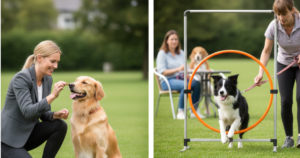
Teaching basic commands is where good behavior truly begins. Clear words, calm timing, and daily practice help dogs understand exactly what is expected of them. Simple commands like sit and stay improve safety, build trust, and make everyday walks and routines easier for both dogs and owners.
1. Sit
I was confused when Bruno would not sit while we were walking. I thought he simply did not hear me. Later, I discovered he just did not understand the steps yet. Every dog learns at its own pace, and every dog does better when the instructions are clear, the words are simple, and the timing is calm. These training methods keep you safe, build trust, and give you reliable daily control.
2. Stay
Stay helps dogs learn to remain calm. First, tell your dog to sit. Raise your hand like a stop sign and back away slowly. Reward your dog when they stay in place. Do not move too much too soon — loud environments can distract dogs easily. Progress to longer durations once your dog stays still for ten to twenty seconds reliably.
3. Come
Come is one of the most important safety commands. Say “Come” in a happy voice and reward your dog when they reach you. Start indoors to minimize distractions. Never call your dog when you are frustrated, and avoid off-leash recall practice too early. Progress once your dog responds quickly from a short distance.
4. Down
Down teaches a dog to settle and stay calm. Hold a treat near the floor close to your dog’s nose and move it forward until they lie down naturally. Reward gently—never force the position physically. Avoid hard, uncomfortable surfaces during practice. Progress once your dog lies down without resistance.
5. Heel
Position your dog on your left side. Keep treats near your leg and reward your dog for walking beside you. Avoid walking too quickly or holding a tight leash. Long sessions tire dogs and lead to mistakes. Progress once your dog walks calmly beside you for several consecutive steps.
6. Leave It
Leave It keeps your dog safe in everyday situations. Place a treat on the floor and cover it with your hand. When your dog stops trying, say “Leave it” and reward them with a better treat from your other hand. Do not let them stare at the treat too long, and never let them grab the covered item. Progress once your dog looks away from the treat quickly on command.
7. Drop It
Drop It is useful for both safety and play. Offer your dog a new toy or treat and say “Drop It.” Reward immediately once they release the object. Speak softly — never yell or pull items forcefully. Progress once your dog releases objects promptly without hesitation.
Commands Every Dog Should Learn (Summary Table)
| Command | Time to Learn | Difficulty | Purpose |
|---|---|---|---|
| Sit | 1–2 days | Easy | Basic control |
| Stay | 3–5 days | Medium | Impulse control |
| Come | 1 week | Medium–High | Recall safety |
| Heel | 1–2 weeks | High | Calm walks |
| Leave It | 5–7 days | Medium | Safety + manners |
Training Adult Dogs to Be Obedient
Adult dogs can absolutely learn new behaviors; it just takes patience, clarity, and consistency. Whether your dog is picking up training again or learning commands for the first time, calm guidance and small daily practice can rebuild focus, trust, and obedience at any age.
Training Older Dogs: Start with simple commands and short sessions. Use clear, repeated signals to reinforce learning. Calm, structured training environments work best for adult dogs. Avoid rushing or harsh methods. Practice consistently without pushing too hard, and celebrate small wins to stay motivated.
Getting Back into Routines: Slowly reintroduce command practice into daily routines. Being consistent helps rebuild trust and focus over time.
Breaking Bad Habits: When mistakes happen, calmly redirect attention. Stay consistent in correcting unwanted behavior. Avoid yelling or physical correction entirely.
Building Confidence: Offer gentle praise, a calm voice, and soft touches to encourage your dog. Avoid yelling or creating stressful pressure. Celebrate every success to reinforce what your dog has learned.
Problems and Solutions for Real-Life Behavior
When Rocky barked at the door constantly, I realized that dogs often communicate through their actions.
Too Much Barking: Dogs bark when they are scared, bored, or stressed. Short walks and daily mental games reduce anxiety and excess energy. Rewarding quiet behavior over time teaches patience. Consistency from everyone in the family speeds up results significantly.
Separation Anxiety: Dogs become scared or upset when left alone. Short absences, predictable departures, and safe toys all help lower stress. Gradually increase alone time, use crate training where appropriate, and reward calm behavior at home. If destruction or panic continues, seek professional help.
Aggressive Behavior: Aggression generally stems from fear, self-protection, or a lack of proper socialization. Gradual, controlled exposure to unfamiliar people or animals helps reduce triggers over time. Reward calm behavior, avoid punishment, and increase exposure slowly; these are the most effective and humane behavior correction approaches.
Jumping on People: Dogs jump to get attention or express excitement. This habit can be reduced by greeting calmly and using structured interactions. When your dog jumps, turn away or step back, then reward them for sitting instead. If jumping becomes dangerous, professional guidance is recommended.
Pulling on the Leash: Dogs pull due to excitement or insufficient leash training. Control develops through frequent stops, direction changes, and short practice walks. Use a properly fitted harness and reward your dog for walking beside you.
Running Away or Not Coming Back: Dogs often run due to curiosity, fear, or insufficient recall training. Daily short-distance recall exercises with rewards build reliable responsiveness over time. Reward success immediately to reinforce the desired behavior.
Behavioral Training for Dogs with Anxiety
When Rocky shook at the sound of fireworks, I understood how genuinely anxious dogs can become. They feel safe when they understand their triggers and follow gentle, predictable routines.
Noise Anxiety: Dogs often fear loud noises like fireworks and thunderstorms. Daily exposure to low-level sounds paired with treats gradually lowers fear. Create a safe space with familiar items and calm routines. If reactions include shaking or hiding, consult a trainer or behaviorist. Positive reinforcement for calm behavior helps dogs learn to manage stress over time. Avoid forcing sudden exposure to loud sounds.
Travel Anxiety: Dogs often experience stress during car rides or trips. Short, positive trips help them adjust to travel over time. Reward calm behavior and bring familiar toys or blankets. If your dog becomes frightened while traveling, professional help is recommended. If your dog also sneezes excessively during stressful travel situations, our guide on why your dog is sneezing so much explains how stress and anxiety can sometimes contribute to this symptom. For longer journeys, including international trips, our guide on flying with dogs internationally covers crate training timelines and travel-specific preparation in full detail.
Fear Aggression: Fear of strangers, animals, or new environments can trigger aggressive reactions. Controlled exposure paired with rewards helps dogs stay calmer. Avoid punishment, redirect attention, and encourage good behavior at home consistently. If aggression worsens, a professional trainer is necessary. Structured practice teaches dogs how to feel safe, and gentle guidance builds trust while reducing defensive reactions.
Calming Routines: Predictable daily routines lower anxiety triggers significantly. Regular feeding times, short walks, and engaging games all help maintain stability. Reward calm behavior during stressful moments to support relaxation. If routines alone do not resolve anxiety, consult a professional. Increasing mental and physical stimulation over time builds lasting confidence.
Safe Spaces: Dogs need designated places to retreat when stressed. Crates, quiet corners, and soft beds are all effective options. Introduce these spaces gradually and reward dogs who use them independently. Safe spaces allow dogs to self-soothe, and encouraging a calm retreat makes anxiety easier to manage when it arises.
Anxiety Toys and Supplements: Interactive toys and safe chews help manage boredom-related anxiety. Puzzle feeders and treat-dispensing toys provide valuable mental stimulation. Natural calming supplements may help, but always consult your vet before introducing them. For severe anxiety, professional guidance is strongly recommended.
Tools and Equipment for Training
I learned that having the right tools makes training significantly easier when my dog Bruno kept slipping out of his collar.
Appropriate Tools: The right tools help dogs grasp commands quickly, keep them safe, and make training less frustrating for owners. Investing in simple, reliable tools makes positive reinforcement training more consistent and effective.
Strong Leashes: A durable leash keeps you in control during walks and training sessions. A short leash works well for teaching beginner commands, while a long-line leash is ideal for recall practice. Daily leash use is the most effective way to build good walking behavior over time. Avoid leashes that are worn out or prone to breaking.
Training Harness: A harness distributes pressure evenly, reducing strain on the dog’s neck. Harnesses are ideal for small, fragile breeds or dogs that tend to pull. Check the fit daily and ensure the straps remain comfortable. Wearing a harness during outdoor training provides more control and safety.
Clickers mark the exact moment of positive behavior, helping dogs understand precisely what action is being rewarded. For effective positive reinforcement training, always pair the click with a treat. Click immediately after the desired behavior occurs. Avoid clicking excessively, as it can confuse your dog’s understanding of the signal.
Long-Line Leash: Excellent for teaching recall or practicing in open spaces. Keeps your dog safe while allowing more freedom to roam. Start in quiet areas with minimal distractions, and gradually increase distance as your dog’s recall improves.
Crates: Crates provide a secure, familiar space for dogs, making them an excellent tool for crate training and calming nervous pets. Choose the correct size so your dog can stand, turn, and lie down comfortably. Introduce the crate gradually using treats and praise until your dog enters it willingly. Never use a crate as punishment. The same handling-and-comfort principles used during crate introduction also apply broadly to grooming routines. Our dog grooming guide covers how gentle, gradual handling builds trust during baths, brushing, and nail care as well.
Treat Pouch: Keep treats easily accessible so you can reward your dog immediately during training. This supports consistent, regular positive reinforcement. Quick, easy access to treats keeps lessons flowing and accelerates learning. Use high-value treats for stubborn or easily distracted dogs.
Training Based on Real-Life Situations
When I got Bella, a rescue dog, I learned that every dog needs training tailored to their specific life situation. Adapting your training approach to a dog’s individual needs builds understanding faster and makes the process less stressful for both of you.
How to Train a Rescue Dog: Rescue dogs may carry fear from past experiences. Begin gradually in a quiet space and use soft, clear guidance. Walk, play, and reward consistently to build trust over time. Seek a professional trainer’s help if needed for more complex cases.
Training While Living in Apartments: Dogs living in apartments need indoor mental and physical stimulation. Set up daily play sessions, teach quiet commands, and establish a consistent bathroom schedule. Always walk your dog on a leash in shared spaces. If noise sensitivity or barking becomes a persistent issue, professional guidance can help.
Teaching Kids How to Interact with Dogs: Dogs around children need to learn calm, gentle behavior. Teach children calm instructions, safe play methods, and gentle interactions. Set up short, supervised sessions to build positive associations for both the dog and the child.
Training for Travel: Dogs that travel need to feel secure and comfortable. Gradually introduce crates, car seat belts, or travel carriers well before a trip. Take short practice outings before attempting longer journeys to build familiarity and reduce stress.
Training Reactive Dogs: Reactive dogs may bark, lunge, or growl when stressed. Identify specific triggers and practice desensitization in controlled, safe environments. Reward calm behavior and redirect attention when triggers appear. Increase exposure gradually while closely monitoring stress levels. For dogs with severe reactivity, professional help is strongly recommended.
Dog Training Mistakes to Avoid
| Training Mistake | Why It Happens | How It Affects the Dog | Solution / Fix |
|---|---|---|---|
| Yelling | Owner frustration, impatience | A dog feels scared and stressed and loses trust | Stay calm, use a soft voice, repeat commands gently |
| Inconsistent Commands | Owner uses different words or signals | Confuses the dog and slows learning | Always use the same words and gestures consistently |
| Wrong Reward Timing | Reward given too late | Dog fails to link the action with the reward | Reward immediately after the correct behavior |
| Over-Training | Sessions too long or too frequent | Dog becomes tired, bored, or stressed | Keep sessions short—5 to 15 minutes, multiple times a day |
| Under-Exercising | Lack of mental and physical activity | Boredom leads to misbehavior | Provide daily walks, mental games, and playtime |
| Ignoring Body Language | Missing stress or fatigue signs | A dog may react aggressively or refuse tasks | Learn tail, ear, and eye signals; pause when needed |
| Harsh Punishments | Using fear or pain to correct behavior | Breaks trust and can cause aggression | Use positive reinforcement dog training with rewards |
| Skipping Socialization | Limited exposure to people and animals | Fear or anxiety develops in new situations | Gradually expose your dog to different people, pets, and environments |
Sample Daily Dog Training Routine
When my dog Bruno would not stop pulling on the leash during morning walks, I realized a structured daily routine works wonders. Dogs thrive on consistency, mental stimulation, and short, engaging training sessions. A simple plan keeps them disciplined, reduces stress, and steadily improves obedience.
Morning Walk + Command Practice: Start the day with a brisk 20 to 30 minute walk. Use this time to practice basic commands like sit, stay, and come. Short, frequent repetitions help dogs focus and connect commands to real-life situations. Reward immediately after success, and keep a calm tone with clear hand signals.
Midday Mental Games: Introduce 10 to 15 minutes of puzzles, scent games, or hide-and-seek challenges. Mental engagement reduces boredom, cuts down on chewing or barking problems, and builds problem-solving skills. Vary the games regularly to keep your dog interested, and offer praise or small treats at the end of each session.
Evening Behavior Training: Practice leash walking, recall, or advanced commands in a safe, familiar environment. Repeating these practices daily strengthens obedience over time. Break new behaviors into small, manageable steps and reward consistent progress. Stay calm and patient — evening sessions also help dogs release extra energy before settling down for the night. A balanced diet also plays a meaningful role in maintaining the energy and focus needed for consistent daily training. Our dog nutrition guide explains how proper feeding supports both behavior and training performance.
Dog Training FAQs
Dog training raises many practical questions, especially around learning time, age, and behavior. Every dog responds differently to training, and clear guidance makes the process easier and more effective. Below are some commonly asked dog training questions with straightforward answers to help you train your dog with better clarity and consistency.
FAQ 1 — How long does it take to train a dog?
Ans: Most dogs start showing basic training results within 2 to 4 weeks if trained daily with consistency and positive reinforcement. Age, breed, and training frequency all affect how well a dog learns. Dogs of all ages improve with daily practice, though puppies typically learn faster than adults. Short, frequent training sessions help dogs remember commands and show results faster. Patience matters more than speed.
FAQ 2 — When should you start training your dog?
Ans: Puppies learn best between 8 and 16 weeks of age. Early training establishes routines and good habits from the start. Begin with puppy training basics such as commands, crate training, and socialization. Older dogs can also learn effectively with calm, consistent praise and patience.
FAQ 3 — Why won’t my dog follow my commands?
Ans: Dogs often disobey because they are confused, distracted, or receiving mixed signals. Using dog behavior correction tips at home alongside positive reinforcement helps clear up confusion. Ensure every command has the same timing, tone, and reward to build clarity.
FAQ 4 — How can I stop my dog from pulling on the leash?
Ans: Pulling is usually caused by excitement or insufficient leash training. Stop walking when your dog pulls, reward them for walking calmly, and practice short, controlled sessions consistently. Treats and praise reinforce good leash behavior over time.
FAQ 5 — What is the best way to train a dog to be obedient?
Ans: The best approach is positive reinforcement. Offer treats, praise, or play immediately when your dog does something right. Avoid yelling or harsh corrections. Combine this with consistent routines and clear commands for reliable, lasting obedience.
FAQ 6 — How do I train a dog that is not ready to listen?
Ans: Stay easygoing, keep sessions short, and give clear, simple signals to stubborn dogs. Use engaging rewards and gentle correction techniques to keep them motivated and responsive.
FAQ 7 — How do I help dogs with separation anxiety?
Ans: Separation anxiety often comes from stress or fear. Gradual desensitization, a consistent departure routine, and calming toys all help. Reward calm behavior consistently and avoid scolding. If anxiety persists, consult a professional trainer.
FAQ 8 — What are the best treats for training dogs?
Ans: Small, soft, high-value treats work best during training sessions. Choose treats your dog can chew and swallow easily. Vary treat types to maintain interest, and give treats in moderation to avoid overfeeding.
FAQ 9 — Can older dogs still be trained?
Ans: Yes, older dogs absolutely can learn with patience and consistency. Focus on rebuilding routines, repeating instructions, and offering gentle encouragement. Mental games and positive reinforcement both work especially well for senior dogs.
FAQ 10 — Should I hire a professional trainer or train my dog myself?
Ans: Either approach can work well, depending on your confidence and your dog’s specific needs. Home training allows daily practice and strengthens your bond, while professional trainers can help with more challenging behavior issues. Many owners successfully combine both approaches.
A Happy Home Needs a Well-Trained Dog
With consistent guidance, even difficult behaviors like barking, leash pulling, or separation anxiety improve over time. Applying dog behavior correction tips at home consistently makes a real difference. Professional help can be valuable, but it is not always necessary. Structured training benefits every dog, regardless of breed or age. Following the best training practices and avoiding common mistakes makes learning enjoyable for both of you. Reward progress, not perfection.
Training makes a home a genuinely happier place. Your dog becomes calmer, safer, and more confident. You enjoy time together without frustration or stress. Training becomes a rewarding shared experience when you bring love, patience, and a consistent daily routine to the process.

Hi, I’m Emily! As a certified canine behaviorist and proud dog mom based in Colorado, my goal is simple: to help you and your pup live a happy, balanced life together.
With over a decade of hands-on experience in positive reinforcement and pet nutrition, I share practical, science-backed advice that actually works in the real world. When I’m not writing, you’ll usually find me exploring mountain trails with my two rescue dogs, Max and Luna.