Regular dog grooming at home keeps your dog’s coat clean, skin healthy, and overall hygiene in check — without expensive visits to the salon every week. This complete dog grooming guide covers everything you need: how to bathe your dog correctly, how to brush different coat types, how to trim nails safely, how to clean ears and eyes, and how to build a weekly, monthly, and seasonal grooming routine that actually works.
Whether you have a short-coated Beagle, a long-haired Golden Retriever, or a curly-coated Poodle, the right grooming routine makes a real difference in your dog’s health, comfort, and daily happiness.
Quick Answer: The best dog grooming routine combines weekly brushing, monthly bathing, nail trimming every 3 to 4 weeks, and regular ear and eye checks. The tools and frequency vary by coat type — but the routine itself is simple once you know what your dog needs.
What you will learn in this guide:
- How to identify your dog’s coat type and match grooming to it
- Step-by-step dog bathing instructions with breed-specific frequency chart
- How to brush correctly and which brush works for which coat
- How to safely trim dog nails and care for paw pads
- How to clean ears, eyes, and check anal glands
- Grooming by breed type — long, short, double, curly, puppy, adult, senior
- Home grooming vs professional grooming — when to choose which
- Complete grooming tools list and weekly, monthly, seasonal schedule
Sarah was confused when she saw Max, her dog, shedding on every couch cushion. His fur got matted behind his ears, and a light smell followed him around the house. She took quick baths and brushed his hair at random times, but nothing worked. He needed to be groomed properly and have a simple routine that kept him clean, healthy, and calm.
Good grooming builds trust, comfort, and a strong bond — and this dog grooming guide explains how to do it the right way. It also keeps skin safe, reduces shedding, and prevents a lot of problems that are not obvious at first. This guide will teach you the right way to groom your dog, how to keep it clean, and how small changes to your dog’s daily routine can make it healthier and happier.
Knowing Your Dog’s Coat, Skin, and Grooming Needs
There are many different types of dog coats, and each one needs its own grooming approach. Some dogs have short, smooth coats that do not shed much. Some have long coats that tangle easily and need constant brushing to prevent mats from forming. Many well-known breeds, such as Huskies and Shepherds, have double coats that shed heavily when the seasons change.
Poodles and other curly-coated dogs need to be detangled often because their curls hold dirt in. Some dogs even have wire hair, which needs a specific grooming method to maintain its texture. Any beginner’s dog grooming guide should start with understanding your dog’s coat type, because the health of the coat directly affects how much it sheds, how comfortable the dog feels, and how healthy the skin remains.
According to the American Kennel Club (AKC), coat type is one of the most important factors in determining how often and how intensively a dog should be groomed — and using the wrong tools or techniques can damage both the coat and the skin underneath.
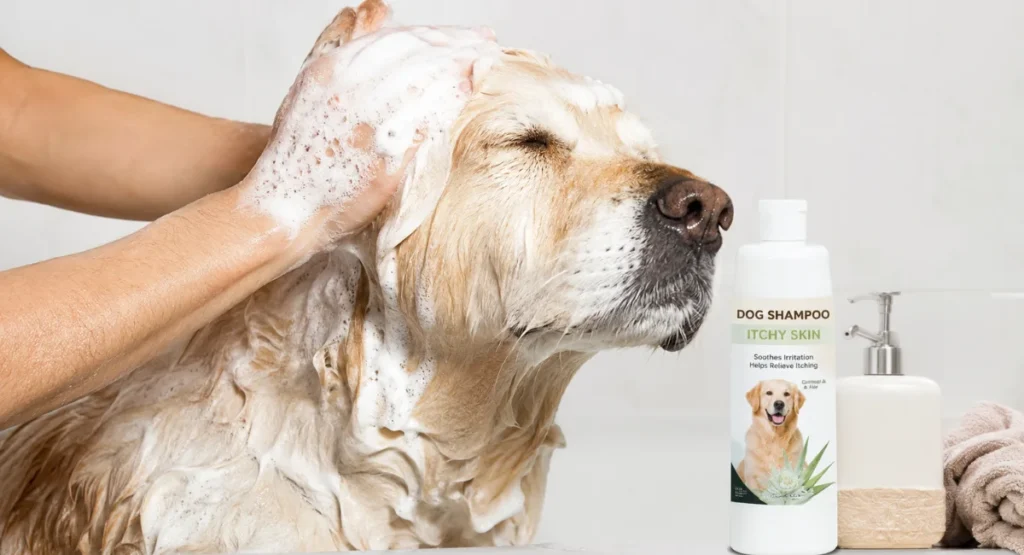
Skin type is also very important. Some dogs have sensitive skin that reacts quickly to harsh products. Some experience dryness, flakes, or itchiness, especially in winter. Using the right shampoo, conditioner, and brushing tools helps maintain healthy skin and prevents irritation. Dogs with existing skin problems often need gentler products and a slower, more careful grooming approach.
Coat Type vs Grooming Needs
| Coat Type | Main Needs | Suggested Tools |
|---|---|---|
| Short Coat | Light brushing weekly | Soft brush, grooming mitt |
| Long Coat | Frequent brushing | Slicker brush, metal comb |
| Double Coat | Heavy seasonal shedding | Deshedding tool, undercoat rake |
| Curly Coat | Regular detangling | Slicker brush, detangling spray |
| Wire Coat | Texture maintenance | Stripping knife, firm bristle brush |
Understanding your dog’s breed and coat type is also essential for choosing the right care approach from the very beginning. Our complete dog breed guide explains how coat type and breed instincts together shape the kind of daily care your dog genuinely needs.
Bathing Guide: The Right Way to Bathe a Dog
Bathing your dog correctly keeps them clean and comfortable. These dog bathing tips work for both new and experienced dog owners. This section covers how often to bathe based on breed, gives clear step-by-step instructions, and highlights the most common mistakes to avoid.
How Often to Bathe a Dog (Based on Breed)
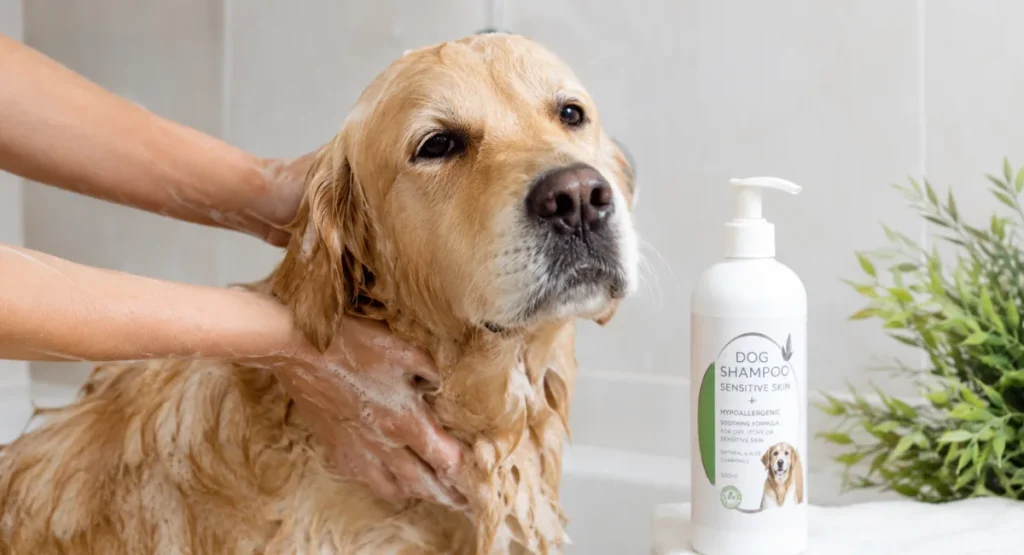
If you have a low-shedding breed like a Poodle or a Maltese, you might only need to bathe them every six to eight weeks. Dogs that spend a lot of time outside pick up dirt and allergens faster and may need more frequent baths, especially after playing in mud or water. Dogs with sensitive skin need extra care, use gentle, hypoallergenic shampoos, and space baths out more to avoid irritation.
Observing your dog’s behavior, scent, and coat condition helps you decide how often bathing is needed. The ASPCA also recommends adjusting bathing frequency based on your dog’s activity level and skin sensitivity rather than following a fixed schedule for every breed.
Breed-Based Bathing Frequency Chart
| Breed Type | Coat Type | Suggested Bath Frequency | Notes |
|---|---|---|---|
| Labrador Retriever | Short, dense | Every 4–6 weeks | High shedding; brush weekly |
| German Shepherd | Double-coated | Every 4–6 weeks | Outdoor activity may require more frequent baths |
| Poodle | Curly, low-shedding | Every 6–8 weeks | Sensitive skin; use mild shampoo |
| Maltese | Long, silky | Every 6–8 weeks | Daily brushing needed to prevent mats |
| Beagle | Short, smooth | Every 6–8 weeks | Moderate shedding; check ears regularly |
| Golden Retriever | Long, dense | Every 4–6 weeks | Brush 2–3 times a week to reduce mats |
| Bulldog | Short, sensitive | Every 6–8 weeks | Use gentle shampoo; wipe skin folds |
| Shih Tzu | Long, dense | Every 4–6 weeks | Frequent detangling required; coat prone to mats |
| Border Collie | Double-coated | Every 4–6 weeks | Active breed; may need extra baths after outdoor play |
| Chihuahua | Short, fine | Every 6–8 weeks | Low shedding; monitor skin dryness |
A Step-by-Step Guide to Bathing Your Dog
The first time I bathed my dog at home, I realized it is not as simple as turning on the tap and hoping for the best. Without the right order and preparation, the whole experience can feel rushed, messy, and uncomfortable for both you and your dog. Over time, I learned that a calm routine makes bathing easier and helps your dog stay relaxed.
Bathing your dog the right way keeps their coat clean, supports healthy skin, and prevents irritation. When you follow a few basic steps in the right order, home dog bathing becomes safer, quicker, and far less stressful. The steps below are based on what actually works during real bath time, not complicated techniques or harsh products.
Step 1: Brush Before the Bath: Brush your dog thoroughly before getting them wet. This removes loose hair and detangles any knots that would become worse and harder to remove once wet. Brushing also helps distribute natural oils through the coat, which keeps it healthy and shiny. Skipping this step often makes the bath less effective and less comfortable for your dog.
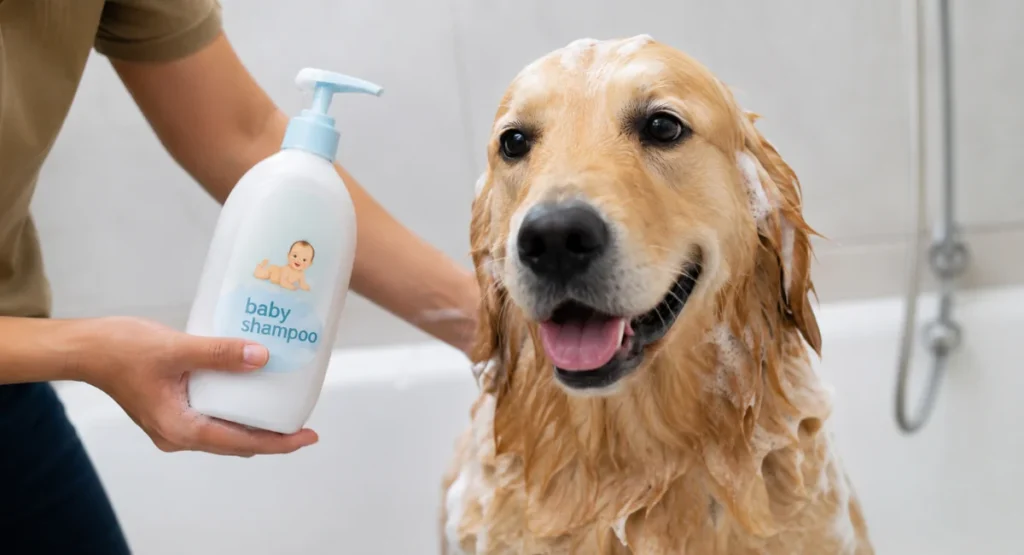
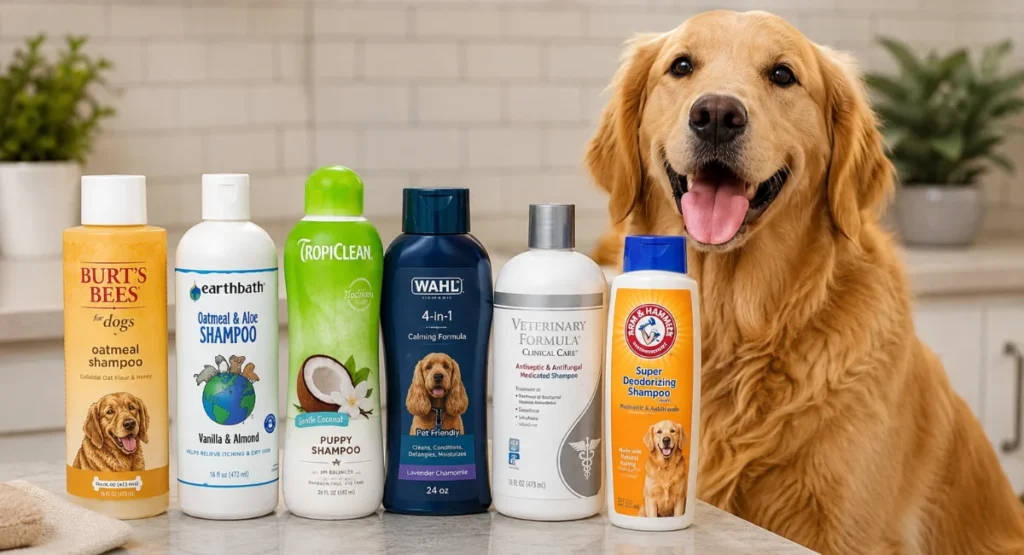
Step 2: Choose the Right Shampoo: Choose a shampoo that suits your dog’s skin and coat type. Dog-safe products from trusted brands offer gentle, effective options for every coat type. Select based on your dog’s fur type or skin sensitivity. Never use human shampoo on a dog — the pH levels are different and will irritate your dog’s natural skin barrier.
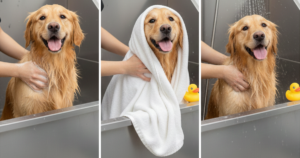
Step 3: Get Your Dog Wet: Wet the coat thoroughly, working from the back toward the head. Avoid letting water run directly into the ears or face. Wetting the coat slowly and gently helps your dog feel more relaxed and less anxious before the shampoo stage begins.
Step 4: Apply the Shampoo: Work the shampoo gently into the coat, making sure to cover the whole body. Pay extra attention to the paws, belly, and underarms, as these areas collect the most dirt. Massage the shampoo in to remove dirt and spread the lather evenly across the coat.
Step 5: Rinse Completely: Rinse the shampoo thoroughly until the water runs completely clear. Leaving any shampoo residue on the skin can cause itching, dryness, or irritation. Thorough rinsing is one of the most important steps in keeping your dog’s skin healthy and free from problems after bathing.
Step 6: Dry Your Dog Safely: Use a towel to remove as much water as possible by gently rubbing the coat. A blow dryer on a low heat setting is also an option — keep the air moving and never hold it too close to the skin to avoid overheating. For dogs with sensitive skin, towel drying alone is the safest approach.
Best Practices for Bathing Your Dog
- Use lukewarm water at all times — hot or cold water can be uncomfortable or cause injury.
- Dilute the shampoo if needed, especially for small breeds or dogs with sensitive skin.
- Protect the ears — never allow water to enter the ear canal to avoid infections.
- Speak softly and reassure — use calm words and praise throughout the bath.
- Use treats to reward cooperation and build positive associations with bath time.
- Keep a consistent schedule — regular baths keep the coat shiny, clean, and more manageable.
- Never use harsh shampoos — human products will disrupt your dog’s natural skin balance.
- Check water temperature often — lukewarm is always the safest choice.
If building a positive association with water and bathing is something your dog struggles with, the techniques covered in our dog training guide can help you create a calm, reward-based approach that makes bath time less stressful for both of you.
Common Dog Bathing Mistakes and How to Fix Them
| Mistake | Problem | Fix |
|---|---|---|
| Using human shampoo | Irritates the skin and disrupts pH balance | Use dog-specific shampoo only |
| Skipping brushing before bath | Mats worsen when wet and become harder to remove | Brush thoroughly before every bath |
| Not rinsing fully | Leaves residue that causes itchy, dry skin | Rinse until water runs completely clear |
| Overbathing | Strips natural skin oils, leading to dryness | Follow the breed-specific bathing frequency chart |
Brushing and Coat Care
Brushing your dog correctly is important for their health and comfort. Regular brushing removes loose hair quickly, which means less shedding around the house. It also prevents painful mats from forming, which can hurt the skin or lead to infection. Brushing brings out the natural oils in the coat and keeps the skin healthy and moisturized. Beyond the physical benefits, brushing your dog regularly strengthens the bond between you — making grooming not just a routine task, but a genuinely positive experience for both of you.
Why Brushing Is Important
Brushing is more than just removing loose fur. Removing loose hair regularly stops mats from forming, which can trap dirt, bacteria, and allergens and cause itching or infection. Regular brushing also spreads natural oils throughout the coat, keeping it shiny and well-moisturized. Healthy skin stays free from dryness and flaking. Brushing also gives owners the chance to spot small problems early — such as lumps, parasites, or areas of redness — before they become serious. Making brushing part of your regular grooming routine supports your dog’s long-term health in a simple, low-cost way.
The Right Brush for Each Coat Type
- Slicker brushes work best for mats and tangles, especially in long or curly coats.
- Deshedding tools are designed for double-coated breeds and remove loose undercoat hair efficiently.
- Pin brushes are good for long coats — they smooth the fur and keep it from tangling.
- Combs are ideal for finishing, removing small knots, and spreading natural oils evenly.
- Rubber grooming gloves are a gentle option for short-haired dogs or dogs that are easily unsettled during grooming.
| Brush Type | Best Coat Type | Purpose | Frequency of Use |
|---|---|---|---|
| Slicker Brush | Long, Curly, or Matted | Removes tangles and prevents mats | 2–3 times per week |
| Deshedding Tool | Double-Coated Dogs | Removes loose undercoat hair | 1–2 times per week |
| Pin Brush | Long-Coated Dogs | Smooths coat and removes small knots | 2–3 times per week |
| Comb | All Coats (finishing) | Finishing touches, detangling | After every brushing session |
| Rubber Grooming Glove | Short or Sensitive Hair | Removes loose hair, massages skin | Weekly or as needed |
Brushing Schedule by Breed Type
For the best coat health, different breeds need brushing at different frequencies. Short-coated dogs usually only need brushing once a week. Long-coated dogs benefit from brushing three times a week to prevent tangles and mats. Double-coated breeds need brushing at least twice a week, particularly during shedding season. Curly-coated dogs need daily brushing to stop their fur from knotting up, which can become painful if left too long.
Puppies and senior dogs may need shorter, gentler sessions than adult dogs. A regular home grooming routine keeps the coat healthy and helps manage shedding across all seasons.
Nail and Paw Care
Caring for your dog’s nails is an important part of keeping them healthy. Long nails can cause pain, change the way your dog walks, and even lead to joint problems over time. Many dog owners first notice the problem when they hear clicking sounds on hard floors — a clear sign that a trim is overdue. When nails grow too long, dogs may adjust the way they hold their paws to avoid discomfort. Catching this early keeps your dog safe, comfortable, and moving naturally.
How to Tell When Nails Need Trimming
Dogs cannot tell you when their nails have grown too long, so you need to observe carefully. Clicking sounds on floors are the most obvious sign. Changes in paw posture — such as splayed toes or an uneven gait — are a more subtle indicator. Nails catching on carpets or furniture is another reliable sign that a trim is needed. Checking your dog’s nails and paw pads regularly as part of your DIY dog grooming routine makes trimming easier and less stressful for both of you when the time comes.
For a detailed, step-by-step walkthrough of the process, our guide on how to trim your dog’s nails safely at home covers the right technique, tools, and how to handle a nervous dog during nail trimming.
How to Trim Dog Nails Safely
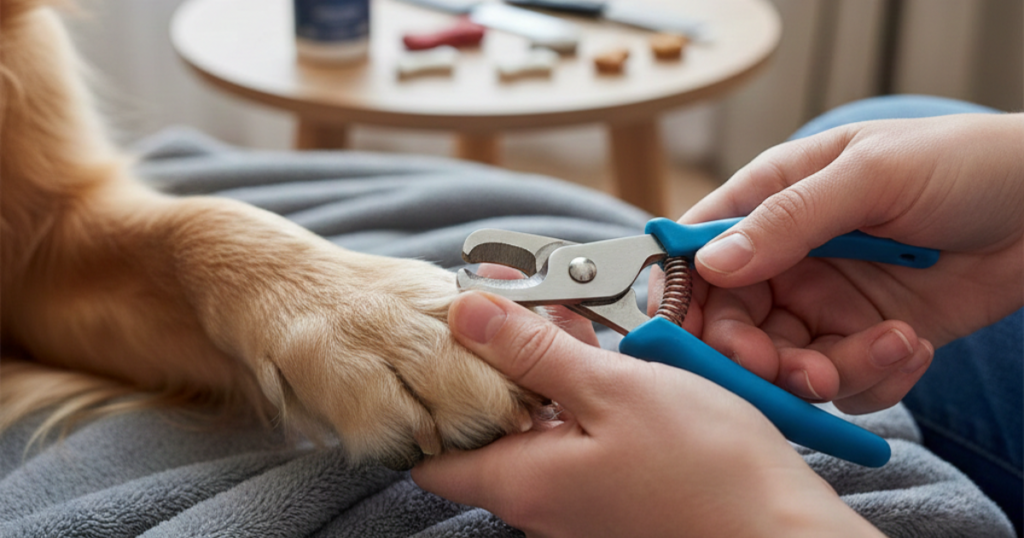
Nail trimming is one of the most important grooming tasks for dog owners. You can use regular dog nail clippers or a nail grinder, which smooths the edges without the risk of cutting the quick. Trim small sections at a time and always avoid the quick, the blood vessel inside the nail, to prevent bleeding. Praise your dog and offer treats throughout the process to keep them calm and cooperative. Be gentle and patient, especially with a nervous or anxious dog. Regular trimming is far less stressful than waiting until nails grow very long, and it helps prevent chronic paw and joint problems over time.
Paw Pad Care and Hygiene
Healthy paw pads are essential for safe, comfortable walks. Make it a habit to clean your dog’s paw pads each week to remove dirt, debris, and any small stones that may have become stuck. Remove matted hair between the pads and trim any hair growing from the center of the pads, particularly in double-coated or long-haired breeds. Always check for cracks, dryness, or small injuries, as these can lead to infections if left untreated. Using dog-safe paw balm helps prevent cracking, especially in very cold or very hot weather. Regular nail and paw care together form a complete and effective grooming routine at home.
Cleaning Your Dog’s Ears, Eyes, and Anal Glands
Cleaning your dog’s ears, eyes, and anal glands is an important part of keeping them fully clean and healthy. Regular care prevents infections, discomfort, and unpleasant smells. Many owners overlook these areas, but they are where problems most commonly start. Addressing them as part of your regular grooming routine keeps your dog more comfortable and prevents costly vet visits.
Cleaning the Ears
Dirt, wax, and moisture can build up inside a dog’s ears and cause infections. Check your dog’s ears at least once every two weeks, or more often if they have floppy ears that trap moisture more easily. Never use products made for people on your dog’s ears. Only use safe, vet-approved ear cleaning solutions made specifically for dogs. Do not push cotton swabs into the ear canal, as this can injure delicate tissue. Instead, use a soft pad or cloth to gently wipe the outer ear and the ear flap.
Dogs may resist ear cleaning at first, so go slowly, speak calmly, and use treats to build a positive association. Regular ear cleaning is an essential part of any dog grooming guide for beginners, and it prevents painful ear infections before they develop.
If your dog also shows signs of sneezing frequently alongside ear irritation, it may indicate a connected allergy or infection — our article on why your dog is sneezing so much explains how to identify the cause and when to seek veterinary advice.
| Breed / Ear Type | Cleaning Frequency | Recommended Products | Notes |
|---|---|---|---|
| Floppy-eared breeds (Cocker Spaniel, Basset Hound) | Once a week | Vet-approved dog ear solution, soft pads | Floppy ears trap moisture and dirt more easily |
| Erect-eared breeds (German Shepherd, Siberian Husky) | Every 2 weeks | Mild dog ear cleaner, cotton balls | Less prone to infections but still needs regular care |
| Small breeds with folded ears (Pugs, Shih Tzu) | Once a week | Gentle hypoallergenic ear wipes | Check for tear stains and wax buildup |
| Large active breeds (Labrador, Golden Retriever) | Every 1–2 weeks | Dog-safe ear drops or solution | More exposure to outdoor debris; wipe after walks |
Caring for Your Dog’s Eyes
Check your dog’s eyes every day as part of your grooming routine. Tear stains are common, especially in light-colored breeds, and can irritate the surrounding skin if not cleaned regularly. Wipe away discharge gently using a soft, damp pad. If your dog’s eyes are consistently red, swollen, or cloudy, it may indicate an infection or allergy that requires veterinary attention. For long-haired dogs, trimming the hair around the eyes prevents dirt buildup and reduces the risk of irritation. Adding eye cleaning to your weekly grooming routine helps catch problems early before they become serious.
Anal Gland Care
Dogs have anal glands that store small amounts of fluid used for scent marking. Some dogs express these glands naturally, but others develop problems that need attention. Signs that the glands may need expressing include scooting along the floor, excessive licking of the rear, or visible discomfort when sitting. A vet or professional groomer can safely express the glands when this is needed. Attempting this at home without proper training can cause injury or infection. Including anal gland checks in your regular grooming routine helps you notice problems early and keep your dog clean, comfortable, and healthy.
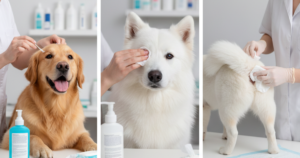
Grooming Different Types of Dogs
Grooming needs vary significantly by breed and coat type. Whether you groom at home or use a professional, the right tools and techniques make grooming easier, safer, and more effective. The following section provides a practical dog grooming schedule by breed type.
Long-Haired Dogs
Long-haired dogs need frequent detangling to prevent painful mats and knots from forming. Daily brushing with a slicker brush removes loose hair and dirt. If you are new to grooming, using detangling sprays or coat conditioners makes brushing easier and more comfortable for your dog. Bathing regularly and brushing carefully keeps the coat shiny and healthy. Trimming around sensitive areas like the paws and ears also prevents hair from tangling in those spots. During shedding season, brush more often to keep hair from matting and building up around the house.
Short-Coated Dogs
Short-coated dogs mainly need light grooming but still benefit from regular brushing. A soft-bristle brush removes loose hair and helps the skin produce its natural oils. Short-coated dogs rarely need frequent haircuts, but regular bathing and coat checks keep them clean and healthy. This routine is very manageable for beginners and supports good overall dog hygiene without causing stress.
Double-Coated Breeds
Double-coated breeds have two layers of fur — a soft, insulating undercoat and a more durable topcoat. They need deshedding tools and seasonal grooming to safely remove excess undercoat. During shedding periods, more frequent brushing prevents matting and reduces the amount of loose hair around the house. Using the right deshedding tool makes the work much easier and keeps the coat tidy and comfortable throughout the year.
Curly-Coated Dogs
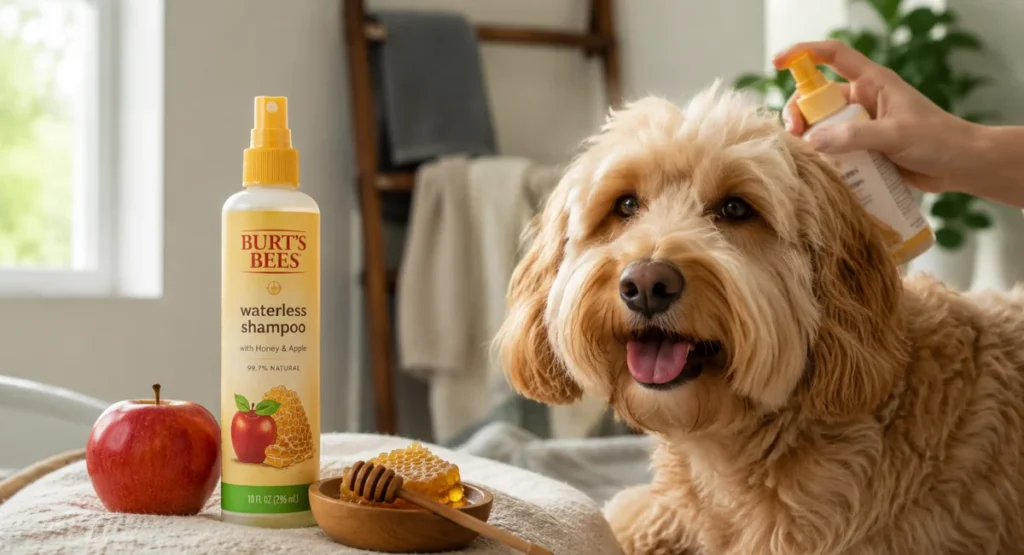
Curly-coated dogs need regular trimming to maintain the shape of the coat and prevent tangles. Their tightly curled hair can hold dirt and moisture, which leads to skin problems if not cared for properly. Using a combination of slicker brushes, combs, and grooming scissors helps maintain the curls and prevents mats from forming. Professional grooming every 6 to 8 weeks is often recommended for curly-coated breeds alongside regular home brushing.
Puppies
Puppies need very gentle grooming as they adjust to being handled and to new textures. Keep sessions short and use soft brushes or combs to help them get used to being touched without feeling overwhelmed. Using tools from a beginner dog grooming kit ensures puppies stay safe and comfortable during early grooming experiences. Bathing should be gentle and not too frequent so that their sensitive skin does not become irritated. Introduce grooming gradually so that it becomes a familiar, comfortable part of their routine.
If you are a first-time dog owner just getting started, our guide on best dog breeds for first-time owners also covers which breeds are easier to groom at home, which is a useful starting point before you commit to a specific dog.
Adult Dogs
Having a regular grooming schedule that matches your adult dog’s coat type is very beneficial for their long-term health. Brushing, bathing, nail trimming, and ear cleaning should all be done on a consistent schedule. Grooming your dog at home correctly keeps them healthy and saves money on professional grooming. Adult dogs can handle longer grooming sessions than puppies, which makes it easier to give them thorough care.
Senior Dogs
Senior dogs need softer tools and slower grooming routines. Their skin is often thinner and more sensitive, and their joints may be stiff and uncomfortable. Use soft-bristle brushes or your fingertips to groom gently. Bathing should be calm and unhurried, and trimming should never cause physical or emotional stress. Senior dogs may also have changes in coat health related to their diet — our dog nutrition guide covers how diet directly affects coat condition and skin health in older dogs.
Grooming Needs by Dog Type — Summary Table
| Dog Type | Brushing Frequency | Tools Needed | Additional Tips |
|---|---|---|---|
| Long-haired | Daily | Slicker brush, comb, detangler | Trim sensitive areas, detangle knots |
| Short coat | Weekly | Soft bristle brush | Light brushing only, weekly baths |
| Double coat | 2–3 times/week | Deshedding tool, comb | Extra care during shedding season |
| Curly coat | 2–3 times/week | Slicker brush, comb, scissors | Regular trimming to avoid mats |
| Puppy | 2–3 times/week | Soft brush, beginner kit | Gentle sessions, short baths |
| Adult | 2–3 times/week | Brush depending on coat type | Consistent grooming routine |
| Senior | 1–2 times/week | Soft bristle brush, finger comb | Gentle brushing, avoid long sessions |
Professional Dog Grooming vs Home Grooming
I did not think much about grooming when I first got my dog. A quick bath at home, a towel, and we were done — or so I thought. After a few weeks, I noticed uneven nails, loose fur everywhere, and a dog that clearly did not enjoy the process. That is when the question came up: should I keep grooming at home or look for a professional groomer?
The truth is, there is no single right answer for every dog. Some dogs stay perfectly comfortable with regular home grooming. Others need professional care because of their coat type, skin sensitivity, or specific grooming requirements. Knowing the difference helps you choose what is best for your dog’s comfort, health, and daily routine.
Grooming at Home
Many dogs, especially those with short coats, do very well with home grooming. You can learn to brush, bathe, and trim your dog’s nails at home with the right tools and guidance. Short coats do not need much specialized care, so a regular dog grooming routine at home is usually enough to keep them looking and feeling their best.
Professional Grooming
Dogs with long, curly, or double coats often need professional grooming. Groomers are trained to handle severe mats, tangles, and breed-specific cuts safely. Professionals can also trim nails, clean ears, and handle anal glands when needed. Professional grooming is more thorough than home grooming, particularly for show dogs or complex coat types that require precision cutting.
Grooming prices vary by location, coat type, and the services included. Dogs with short coats generally cost less to groom professionally than those with long or curly coats. Many groomers offer packages that include bathing, brushing, and nail trimming. Some charge extra for specialized services like deshedding treatments or breed-specific cuts.
The best long-term approach for most pet owners is to combine both. Brushing at home once a week, bathing monthly, and booking a professional groomer every few months will keep your dog healthy, comfortable, and looking their best throughout the year.
A Complete List of Dog Grooming Tools
To safely and effectively groom your dog at home, you need the right tools. A beginner dog grooming kit should include all the basics — brushes, combs, nail clippers, and shampoo. Having the right tools makes grooming less stressful for your dog and easier to maintain as a consistent routine.
Essential Tools
| Tool | Purpose | Recommended For |
|---|---|---|
| Slicker Brush | Removes mats and tangles | Long-haired or curly-coated dogs |
| Deshedding Tool | Reduces loose hair buildup | Double-coated or heavy-shedding breeds |
| Pin Brush | Smooths coat after brushing | Medium to long coats |
| Comb | Detangles knots and finishes coat | All coat types |
| Nail Clippers | Trims nails safely at home | Puppies, adults, and seniors |
| Dog Nail Grinder | Smooths nails, avoids cutting the quick | Sensitive or anxious dogs |
| Dog Shampoo | Cleans coat and skin | Sensitive, dry, or itchy skin dogs |
| Towels | Drying after bath | All dogs |
Optional Tools That Help
| Tool | Purpose | Best For |
|---|---|---|
| Blow Dryer (pet-safe) | Quick, safe drying without overheating | Long-haired or thick-coated dogs |
| Detangling Spray | Makes brushing easier, prevents breakage | Curly or matted coats |
| Grooming Gloves | Removes loose hair while petting naturally | Light shedders or daily brushing |
Quality tools lower the chance of grooming mistakes at home and give noticeably better results. When choosing products, always consider your dog’s coat type, age, and skin sensitivity to ensure safety and comfort.
Weekly, Monthly, and Seasonal Grooming Routine
I learned quickly that grooming works best when it is part of a consistent routine, not something you only do when your dog starts looking messy. Skipping weeks makes small issues harder to manage. A simple schedule keeps everything under control. Once I started breaking grooming into weekly, monthly, and seasonal tasks, it stopped feeling overwhelming.
Every Week
Weekly grooming keeps your dog healthy and prevents small problems from growing. Brush your dog’s coat based on the coat type — once a week for short coats, several times a week for long or curly coats. Check the paw pads for cracks, dirt, or debris. Check the nails and trim if any have grown noticeably. Weekly care prevents mats, tangles, and minor skin problems from developing into bigger concerns.
Every Month
Monthly grooming goes more in-depth. Bathe your dog using a mild, safe shampoo suited to their skin type. Rinse and dry carefully, and check the ears, eyes, and anal glands. Trim nails back fully if needed. This dog hygiene routine prevents infections, bad odors, and discomfort. During monthly grooming, also use deshedding tools on double-coated dogs to manage the undercoat effectively.
Seasonal Grooming
Seasonal grooming addresses the coat changes that happen with weather and shedding cycles. Spring and autumn are the peak shedding seasons for most dogs, particularly those with double coats or long hair. Brush daily during these periods to remove loose hair and prevent mats from forming. You may also consider booking a professional grooming session for a thorough deshedding treatment during peak shedding season. Adjusting your dog’s grooming schedule to the seasons keeps your pet comfortable, prevents overheating in summer, and protects the skin from dryness in winter.
The connection between coat health and diet is also significant — dogs that eat a well-balanced diet tend to have healthier skin and coats year-round. Understanding how food affects coat quality is covered in our comparison of dry food vs wet food for dogs, which helps you decide which feeding approach better supports your dog’s coat and skin health.
Dog Grooming FAQs
When you groom your dog at home, small questions come up all the time. How often should you brush? Are you bathing too much or too little? I had the same doubts when I started handling grooming on my own, and most answers only became clear through routine and observation.
This FAQ section covers the most common dog grooming questions that owners ask while caring for their dog at home. The answers focus on simple habits that keep the coat clean, reduce shedding, and avoid grooming mistakes — without turning grooming into a stressful task.
FAQ 1 — How frequently should I groom my dog?
Ans: Brush your dog at least once a week to keep the coat free from mats and tangles. Regular brushing keeps the coat healthy and shiny and reduces shedding. The exact frequency depends on coat type — short coats weekly, long or curly coats several times a week.
FAQ 2 — What is the best way to bathe a dog?
Ans: Always brush before bathing to remove loose hair. Use a mild, dog-specific shampoo and rinse thoroughly until the water runs completely clear. Dry safely using a towel or a low-heat pet blow dryer.
FAQ 3 — What do I need to groom my dog at home?
Ans: The essential tools are a suitable brush, a metal comb, nail clippers or a grinder, and a gentle dog shampoo. Optional tools such as deshedding tools, detangling sprays, and grooming gloves make the process more comfortable and efficient.
FAQ 4 — How often should I cut my dog’s nails?
Ans: Trim your dog’s nails every three to four weeks to prevent them from growing too long. Check paw pads weekly for any signs of cracking, injury, or unusual paw posture that suggests discomfort.
FAQ 5 — What is the best shampoo for dogs with sensitive skin?
Ans: Use gentle, hypoallergenic dog shampoo formulas free from harsh chemicals and artificial fragrances. Never use human shampoo on dogs — the pH difference disrupts the natural skin barrier and causes irritation or dryness.
FAQ 6 — How do I remove mats or tangles from my dog’s fur?
Ans: Use a slicker brush and a detangling spray, working slowly and gently through the mat in small sections. Never pull roughly through a tangle. For severe mats, a professional groomer can safely remove them without causing pain or skin damage.
FAQ 7 — How do I groom a long-haired dog at home?
Ans: Brush daily with a slicker brush to prevent knots and mats. Use a metal comb to reach the undercoat. Bathe every 4 to 6 weeks with a coat-appropriate shampoo and conditioner. Trim hair around the paws and ears regularly to reduce buildup.
FAQ 8 — How do I calm my dog during grooming?
Ans: Use a calm, reassuring voice throughout the session. Offer treats at each step to build positive associations with grooming. Keep early sessions short and build up gradually. If your dog shows signs of stress, pause and give them a break before continuing.
FAQ 9 — What are the most common dog grooming mistakes?
Ans: The most common mistakes are using human shampoo, skipping pre-bath brushing, failing to rinse shampoo out completely, overbathing, which removes natural oils, and cutting nails too short. A consistent routine with the right tools prevents most of these errors.
FAQ 10 — When should I take my dog to a professional groomer?
Ans: Book a professional groomer when mats become too severe to manage safely at home, when breed-specific cuts are needed, or when your dog has a thick double coat that requires professional deshedding. Combining home grooming with professional visits every few months is the most effective long-term approach.
Grooming Is a Way to Show Love
Emma, Luna’s owner, was often frustrated by her Golden Retriever’s mats, shedding, and dirty paws. One day, Emma decided to follow a more planned dog grooming routine at home. She bathed Luna with a mild, appropriate shampoo, brushed her coat systematically, trimmed her nails carefully, and checked her ears and paw pads. These simple steps gradually transformed Luna’s fur, skin, and overall health.
What had once felt like an inconvenience became a daily routine of love and care. By following this DIY dog grooming guide, Emma cared for Luna in a more comfortable, peaceful, and joyful way. She learned that the right tools, the right techniques, and a steady schedule made all the difference not just for Luna’s appearance, but for her health and happiness.
Clean, well-groomed dogs live more comfortably, stay healthier for longer, and enjoy a better quality of life. Their owners benefit too from less shedding, fewer vet visits, and a stronger bond built through consistent, caring daily routines. At its core, grooming is love in action. It turns everyday care into meaningful moments that strengthen the relationship between a dog and the person who cares for them.

Hi, I’m Emily! As a certified canine behaviorist and proud dog mom based in Colorado, my goal is simple: to help you and your pup live a happy, balanced life together.
With over a decade of hands-on experience in positive reinforcement and pet nutrition, I share practical, science-backed advice that actually works in the real world. When I’m not writing, you’ll usually find me exploring mountain trails with my two rescue dogs, Max and Luna.