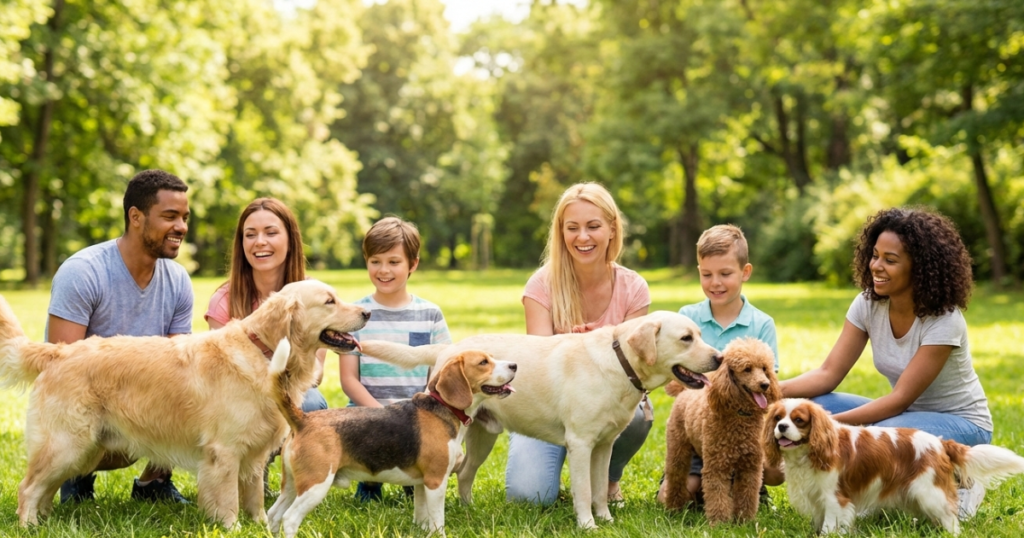
Choosing the right dog breed depends on your lifestyle, living space, energy level, and experience. This complete dog breed guide covers all major dog breed traits, size differences, temperament types, grooming needs, and trainability — so you can find the best match for your home and daily routine.
Whether you are a first-time dog owner looking for a gentle, easy-to-train breed, a family searching for a safe and playful companion for your kids, or an active person who wants a high-energy working dog, this guide gives you clear, honest answers to help you decide confidently.
The best dog breed for most first-time owners is the Labrador Retriever, Cavalier King Charles Spaniel, or Golden Retriever — all known for calm temperament, high trainability, and adaptability to different home environments.
What you will learn in this guide:
- Key dog breed characteristics — energy, temperament, grooming, size
- Best dog breeds for families, apartments, seniors, and active owners
- Small, medium, large, and giant breed differences explained
- How dog instincts shape everyday behavior at home
- How to choose the right dog based on your real lifestyle
It is a big deal to pick the right dog. Every dog has its own needs. Every breed has its own level of energy, grooming needs, and personality. This dog breed guide will help you understand these differences. It breaks down the main traits of each breed in simple terms. It also talks about how to take care of them, how they act, and how size matters. You also learn how to pick a dog that works with your way of life. This guide is great for new owners who want to know exactly what to do. It also helps families choose breeds that are safe and gentle.
Owners will come to know about dog breeds explained with real-life examples. You will understand what dog breed characteristics are important in everyday life — including size, personality, and care. You can also see why it is so important to pick the right dog from the very beginning.
Understanding Dog Breeds
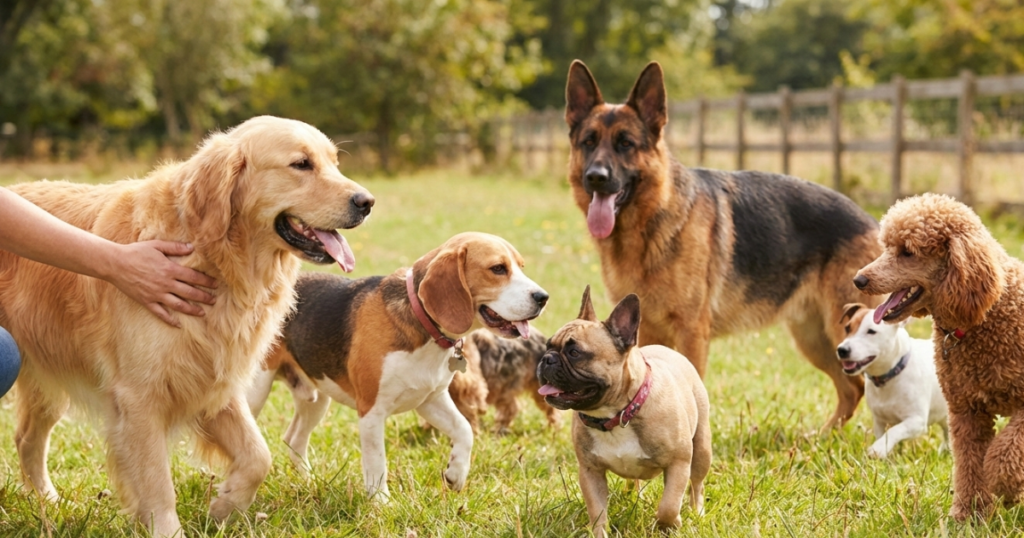
There is a story behind every breed. Different jobs were made for different breeds. Some dogs watched over homes. Some dogs were bred for hunting. Some breeds were developed for farm work. These beginnings had an effect on how they acted. Knowing where these dogs come from can help you choose the right one.
According to the American Kennel Club (AKC), there are over 200 officially recognized dog breeds, each grouped by their original working purpose, and those instincts still shape how dogs behave in the home today.
When we say dog breeds explained, we mean clear and practical information. The goal is to make things easy to understand. You find out why some dogs bark a lot. You understand why some dogs like to run all day. Some breeds enjoy quiet time and short walks.
A lot of roles have changed in the modern world. Most dogs are pets today. But the old instincts are still there. A herding dog might try to herd kids. A hunting dog might chase squirrels. A guard dog may closely monitor people it is unfamiliar with. These traits are normal and not aggressive by nature.
Simple insights that help new owners:
- Working breeds need to be active every day.
- Toy breeds like to live inside.
- Herding breeds need mental games and puzzle toys.
- Sporting breeds enjoy long walks and outdoor activity.
- Hound breeds follow strong smells and need secure spaces.
These traits make it easier to pick the right breed. Understanding them helps you and your dog stay calm and comfortable together.
Key Dog Breed Traits Every Owner Should Understand
You can find dog breed characteristics that fit your lifestyle better if you know what each breed is like. Every breed has needs that do not change. These include activity levels, friendliness, grooming requirements, and trainability. Some types of dogs learn quickly. Some need patience and repetition all the time. Some breeds do well in big houses. Some work well in small apartments.
Here are the most important traits explained in plain English:
Energy Levels
Dogs with a lot of energy need to go on long walks and need mental challenges. These dogs get bored quickly, and boredom often leads to destructive behavior. Short walks are enough for low-energy breeds. They are calm and content when they are inside.
Trainability
Some dogs pick up commands very quickly. Others take more time. Smart dogs learn fast, but also get bored quickly if sessions are too repetitive. Dogs that learn slowly need consistent repetition and patience. Whether your dog is a fast or slow learner, our guide on how to train a dog at home covers simple, effective methods that work for every breed type.
Grooming Needs
Long-haired dogs should be brushed regularly to avoid matting. Dogs with short coats shed less and are easier to maintain. Professional grooming may be needed every 6 to 8 weeks for dogs with curly coats.
Temperament
A dog’s temperament affects daily life at home. Some dogs are friendly with everyone they meet. Some bond deeply with a single family and stay reserved with strangers. Some breeds stay alert and watchful. Others remain calm in almost every situation. Choosing a temperament that suits your household is just as important as choosing the right size.
Size and Strength
Size affects safety, training needs, and daily handling. Strong and confident handling is important for big breeds. Gentle and careful handling is important for small breeds. Always choose a size that matches your living space and physical ability.
This section helps people who are new to dogs find the best dog breeds for their lifestyle. It also helps families identify temperaments that are safe and easy to manage.
Calm and Family-Friendly Dog Breeds
Gentle dogs are the right choice for families with children. The most important qualities are calm energy and a stable, predictable nature. These dogs do well in busy homes and enjoy playing with kids.
Here are the best options:
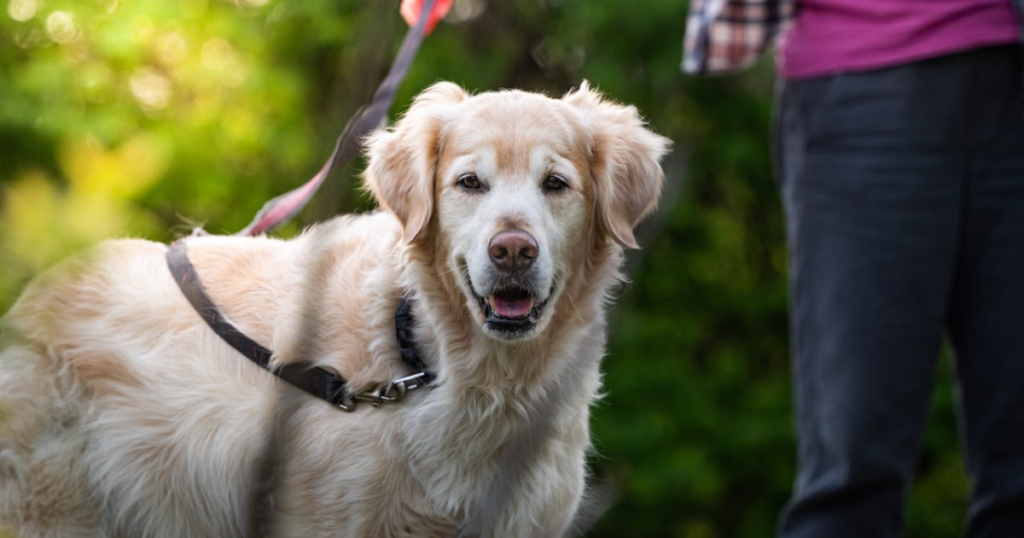
Golden Retriever: The Golden Retriever is a breed that truly embodies love. They are patient with kids and enjoy being close to their family at all times.
Boxer: The Boxer is a loyal and energetic dog. They are kind, playful, and great with children when trained from an early age.
Bulldog: Bulldogs are calm and low-energy. They enjoy relaxing with the family and adapt well to quieter households.
Irish Setter: Kind, gentle, and active. They enjoy spending time outdoors with their families and are easy to get along with.
Bichon Frise: Small, happy, and affectionate. They are a good choice for families who live in smaller homes or apartments.
These breeds are easy to understand, gentle with children, and adapt to household routines quickly.
A Simple Dog Breed Size Guide
The size of a dog plays a very important role in everyday life. Size affects how much exercise, training, food, and space a dog needs. This dog breed size guide covers small, medium, large, and giant breeds. Each size group has its own strengths and challenges. Use this guide to find the right size for your home and lifestyle.
Small Dog Breeds
Small dogs are light and easy to handle. They fit perfectly in apartments. Their energy is often lively and playful. Many make excellent companions for seniors or people with less active daily routines. They are easy to carry and move around.
There are both calm and active small dogs. Some need only short walks. Others enjoy extended indoor playtime. They are friendly, affectionate, and easy to lift.
Common traits of small breeds:
- Easy to carry and transport
- Lower daily exercise needs
- Well-suited to apartments and smaller homes
- Very friendly and affectionate with their owners
Examples: Pomeranian, Shih Tzu, Chihuahua, Dachshund, French Bulldog
Small dogs form very close bonds with their owners. They enjoy being the center of attention at home. But they still need daily play and social interaction to stay healthy and happy.
Medium-Sized Dog Breeds
Medium-sized dogs offer a great balance of size, energy, and trainability. They suit active families and larger homes but many also adapt well to city living. They enjoy longer walks and respond reliably to training.
Medium-sized breeds are smart and consistent in their energy levels. They handle both indoor and outdoor environments well. Families often choose medium-sized breeds because they are well-behaved and easy to manage.
Common traits of medium breeds:
- Good for active families and individuals
- Strong and consistent response to training
- Moderate grooming needs
- Comfortable in a variety of home sizes
Examples: Beagle, Border Collie, Cocker Spaniel, Australian Shepherd, Bull Terrier
Medium-sized dogs love to run, explore, and learn new commands. They adapt well to many different lifestyles.
Large Dog Breeds
Large dogs need space, consistent training, and daily exercise. They enjoy outdoor activity and suit people who lead active lives. Many large dogs are calm and gentle indoors despite their size. They need confident handling and proper training from a young age.
Large dogs also need more food and regular grooming. They grow steadily and become deeply loyal and protective companions.
Common traits of large breeds:
- Strong and athletic build
- Need daily outdoor exercise
- Very loyal, protective, and affectionate
- Require consistent training and early socialization
- Need adequate space to feel comfortable
Examples: Labrador Retriever, German Shepherd, Doberman, Rottweiler
Large dogs are wonderful family companions. They enjoy outdoor play, provide a sense of security, and form strong bonds with their owners.
Giant Dog Breeds
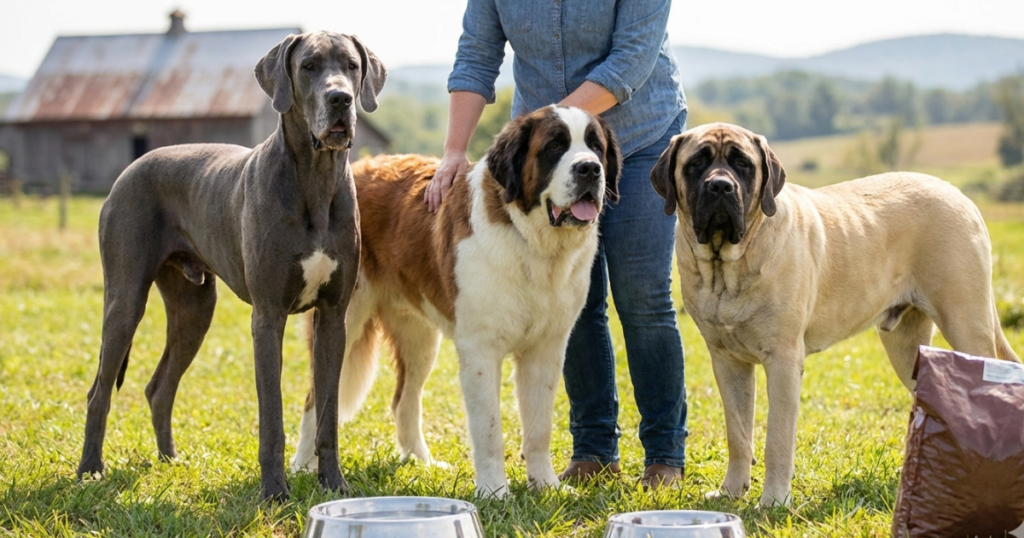
Giant breeds are impressive in both size and presence. They are very strong and take many months to fully grow. These dogs need experienced owners who understand their specific care needs. They also need a lot of living space.
Despite their size, giant breeds often have surprisingly calm and gentle temperaments. They prefer slow, steady exercise and quiet environments. They still require consistent training to ensure safe and manageable behavior.
Common traits of giant breeds:
- Very large and powerful build
- Calm and slow-moving temperament
- Need consistent training from puppyhood
- High ongoing costs for food and veterinary care
- Shorter average lifespan compared to smaller breeds
Examples: Great Dane, Saint Bernard, Mastiff, Newfoundland, Irish Wolfhound
Giant dogs need patient handling, plenty of space, and regular care. Despite their size, they are gentle, loyal, and loving family companions.
How Dog Instincts Affect Daily Behavior
All dogs carry old working instincts. These instincts shape how they behave at home every single day. They come from generations of specific work, history, and survival patterns. Understanding these helps owners train more effectively and helps families know what to expect.
Key behavior patterns shaped by instinct:
- Herding dogs watch movement closely and may try to control children or other pets.
- Scent hounds are strongly driven to follow smells and can become distracted easily.
- Terriers dig instinctively — redirecting this behavior works better than trying to stop it entirely.
- Guard dogs are naturally alert and watchful — proper socialization prevents overreaction.
- Sporting dogs have high endurance and need sustained physical activity to stay balanced.
Working with your dog’s instincts rather than against them makes training far more effective. Our dog training guide explains practical methods for channeling these natural drives into positive everyday behavior.
Picking the Right Dog
It can be exciting to choose a dog, but it requires clear and honest thinking. Every dog has its own needs, habits, and energy level. This dog breed guide will help you find the right pet for your lifestyle. You need to consider size, grooming requirements, temperament, and where you live. Making the right match prevents common mistakes and helps you and your dog live well together for many years.
Many people choose dogs based only on appearance. This often leads to problems later. A cute puppy can grow into a large, high-energy dog that needs two hours of daily exercise. A small, fluffy dog may shed heavily and need daily brushing. You need to think long-term. Pick a dog you can genuinely care for every day — including health needs, training, feeding, walking, and grooming.
Know how you live: Your dog’s happiness depends on your lifestyle. If you travel frequently, choose a breed that is more independent and low-maintenance. If you run or hike daily, choose an active breed that can keep up. If you have children, prioritize calm temperament and a stable nature. The more honest you are with yourself, the better your match will be.
Think about where you live: Large, active breeds need space to move and run. Calm or small dogs do well in apartments. Many medium-sized dogs adapt to a range of home types. Your living space directly affects how easy it is to train your dog and how your dog behaves day to day.
Check grooming and health needs: Some dogs shed less but need regular professional trimming. Others shed more but need no trimming at all. Some large or giant breeds are prone to joint problems. Some small breeds have dental issues that need regular attention. Always research the health risks specific to any breed you are seriously considering.
Match energy levels honestly: Active breeds need 60 to 90 minutes of outdoor exercise daily. Low-energy breeds are happy with 20 to 30 minutes. Medium-energy breeds need regular play and activity. Mismatching energy levels is one of the most common reasons dogs are rehomed.
Choose a temperament that fits your home: Some dogs are naturally protective. Some are openly friendly with strangers. Some are independent and prefer their own space. Some need constant companionship and attention. Choose a personality that genuinely fits your household and daily routine.
The ASPCA recommends evaluating your lifestyle, experience level, and living space carefully before committing to any breed — a step many first-time owners skip and later regret.
If you are bringing a dog home for the first time, our dedicated guide on the best dog breeds for first-time owners covers the most beginner-friendly options in full detail.
Comparison Table: Best Dogs Based on Owner Type
Not every dog suits every lifestyle. Daily routine, available space, and experience level all play a major role in choosing the right breed. The tables below highlight the best dog breeds by owner type and size, helping you find a match that fits your real life.
Table 1: Best Dogs for Different Lifestyle Needs
| Owner Type | Recommended Breeds | Why They Suit You |
|---|---|---|
| First-time owners | Cavalier King Charles, Pug | Easy to train, gentle, and forgiving nature |
| Apartment living | Shih Tzu, French Bulldog, Dachshund | Low exercise needs, comfortable in small spaces |
| Active people | Border Collie, Labrador Retriever, German Shepherd | High stamina, thrive on outdoor tasks and exercise |
| Families with kids | Beagle, Boxer | Friendly, patient, playful, and reliable |
| Seniors | Maltese, Pomeranian, Bichon Frise | Small, affectionate, light exercise requirements |
Table 2: Compare Dog Sizes Before Choosing
| Size Category | Weight Range | Best For | Examples |
|---|---|---|---|
| Small Dogs | Up to 20 lbs | Apartments, seniors, new owners | Pomeranian, Shih Tzu, Yorkie |
| Medium Dogs | 20–50 lbs | Families, active homes | Beagle, Cocker Spaniel, Border Collie |
| Large Dogs | 50–90 lbs | Active owners, bigger homes | Golden Retriever, German Shepherd |
| Giant Dogs | 90+ lbs | Experienced owners with space | Great Dane, Mastiff |
Dog Breed Guide – FAQs
Choosing a dog breed can feel confusing, especially when you are bringing a dog home for the first time. Every breed has its own personality, energy level, and care needs. What works perfectly in one home may not suit another at all. I remember how many questions I had before choosing my first dog — about behavior, family life, and daily care requirements.
This FAQ section answers the most common dog breed questions to help new pet owners make confident, well-informed choices. Whether you live with kids, have limited space, or want a calm companion, these answers will guide you toward a breed that fits naturally into your life.
FAQ 1 – What kind of dog is best for first-time owners?
Ans- First-time dog owners should look for breeds that are friendly, adaptable, and easy to train. Labrador Retrievers, Cavalier King Charles Spaniels, Poodles, and Shih Tzus are all excellent choices. They adapt quickly, learn reliably, and stay friendly across most living environments.
FAQ 2 – What dog breeds are best for families with kids?
Ans- Dogs that are calm and patient work best around children. Beagles, Boxers, and mixed breeds from shelters make wonderful family pets. They are playful, protective, and build strong bonds with children over time.
FAQ 3 – How do I choose the right dog size for my home?
Ans- Small breeds suit apartments and lower-activity lifestyles. Medium-sized dogs work well for active families. Large and giant breeds need more space and daily exercise. Always think about your home size, daily schedule, and physical ability before deciding.
FAQ 4 – Which dog breeds need the least grooming?
Ans- Short-haired breeds like Beagles, Dobermans, Boxers, and Greyhounds need minimal grooming. Their coats shed less and only need occasional brushing. Less grooming means less time and less cost.
FAQ 5 – Which breeds are the easiest to train?
Ans- Border Collies, Poodles, German Shepherds, and Papillons learn commands quickly and respond very well to positive reinforcement. Consistent training sessions with rewards get the best results with these breeds.
FAQ 6 – What are the best small dog breeds for apartments?
Ans- Pugs, French Bulldogs, Dachshunds, and Maltese do very well in small living spaces. They need short walks and light play. These dogs are happy indoors and adapt easily to apartment routines.
FAQ 7 – How can I learn about a breed’s behavior before getting one?
Ans- Research the breed’s original working purpose, as it predicts everyday instincts. Talk to breeders or shelter staff and ask about temperament. If possible, meet the dog in person before making a final decision. Shelter temperament assessments are also a reliable starting point.
In Conclusion
When you know how to match a dog’s temperament, size, training needs, health profile, and your own lifestyle, choosing the right breed becomes much easier. Every breed has its own special qualities. The best pet for you is one that genuinely fits into your daily life, your living space, and your ability to provide consistent care.
You can welcome a wonderful companion into your home and your heart if you know what to look for. This dog breed guide will help you make a thoughtful and caring choice — one that brings lasting happiness to both you and your dog.

Hi, I’m Emily! As a certified canine behaviorist and proud dog mom based in Colorado, my goal is simple: to help you and your pup live a happy, balanced life together.
With over a decade of hands-on experience in positive reinforcement and pet nutrition, I share practical, science-backed advice that actually works in the real world. When I’m not writing, you’ll usually find me exploring mountain trails with my two rescue dogs, Max and Luna.