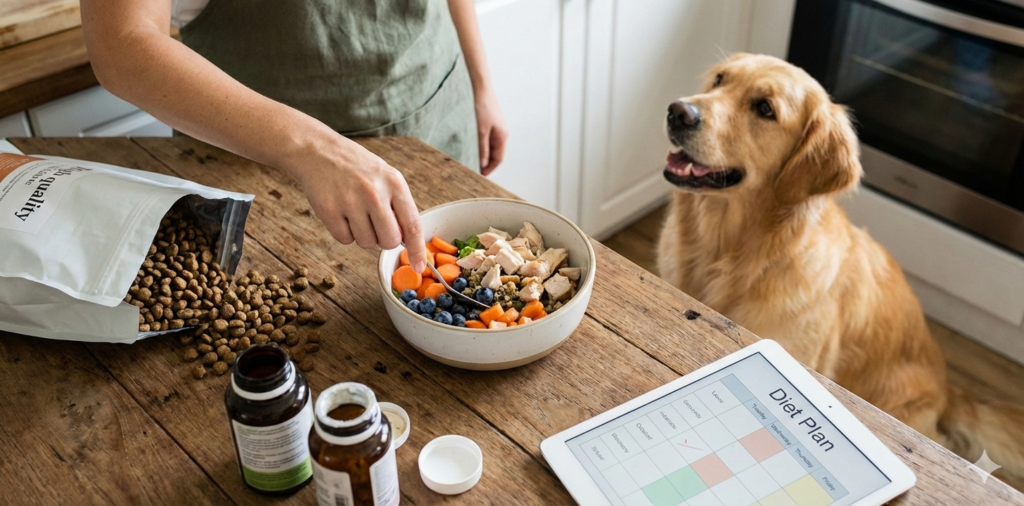
You are enjoying a crunchy bowl of cereal, and suddenly those irresistible puppy eyes appear right next to you. Sound familiar? It is completely natural for pet parents to wonder: Can dogs eat Cheerios?
Yes, dogs can eat plain Cheerios safely. They are non-toxic, low in fat, and safe as an occasional reward. However, they offer almost zero nutritional value for canines and should only be fed in strict moderation.
Below is the ultimate guide on serving sizes, flavored varieties (like Honey Nut), risks, and healthier alternatives.

Can Dogs Eat Cheerios Safely?
Yes, plain Cheerios are safe for dogs because their primary ingredient is whole-grain oats, which are generally easy for dogs to digest. However, they are made for humans, meaning they act as “empty calories” rather than a healthy canine snack.
The Pros:
-
Non-Toxic: Contain no ingredients that poison dogs.
-
Low Fat: A much safer option than fatty human snacks.
-
Easy to Chew: Light, crunchy, and non-sticky texture.
The Cons:
-
High Carbohydrates: Packed with carbs that can lead to weight gain.
-
Low Nutrition: Lack the essential proteins, vitamins, and minerals your dog needs daily.
Can Dogs Eat Honey Nut Cheerios?
While a dog might not get immediately sick from dropping a few pieces, you should not intentionally feed Honey Nut Cheerios to your dog.
Flavored varieties like Honey Nut, Frosted, or Chocolate Cheerios contain high amounts of added sugar, artificial sweeteners, and preservatives. Regular consumption of these flavored cereals can quickly lead to canine obesity, dental decay, and severe blood sugar spikes. Always stick strictly to the original plain version.
How Many Cheerios Can a Dog Eat Every Day?
To keep your dog healthy, treats (including Cheerios) should never exceed 10% of their daily calorie intake. Use this quick breakdown based on your dog’s weight:

| Dog Size & Weight | Recommended Serving Size | Frequency |
| Small Dogs (Under 10 kg) | 2 to 5 Cheerios | Occasional reward only |
| Medium Dogs (10 – 25 kg) | 5 to 10 Cheerios | Occasional reward only |
| Large Dogs (25+ kg) | 10 to 15 Cheerios | Occasional reward only |
What happens if you overfeed? Feeding too many Cheerios will cause mild digestive upset, including gas, loose stools, or a sudden loss of appetite for their regular, nutritious dog food.
Can Puppies Eat Cheerios?
Yes, puppies can eat plain Cheerios, and many trainers love using them as an affordable, low-fat training treat.
However, ensure your puppy is already fully transitioned to solid food before introducing cereal. Because puppies need nutrient-dense food for rapid growth, use Cheerios very sparingly—only as a high-value reward during training sessions.
Risks of Feeding Cheerios to Dogs
Before reaching into the cereal box, keep these potential health risks in mind:
-
Weight Gain & Obesity: The high carbohydrate content can cause unhealthy fat accumulation over time.
-
Grain Allergies: Some dogs have sensitive stomachs or grain intolerances, leading to skin itching or flatulence.
-
Sugar Loading: Flavored variations can disrupt your dog’s metabolic health.
Dos and Don’ts: How to Safely Feed Cheerios
-
DO serve only original, plain Cheerios.
-
DO use them strictly as an occasional training reward.
-
DON’T ever replace a balanced meal with cereal.
-
DON’T feed them Cheerios mixed with dairy milk (most adult dogs are lactose intolerant).

Healthier Alternatives to Cheerios
If you want to give your dog a crunchy, low-calorie treat that actually provides vitamins, swap out the cereal for these whole foods:
-
Carrot Sticks: Excellent for dental health and crunch.
-
Apple Slices (No Seeds): Packed with Vitamin C and fiber.
-
Fresh Blueberries: A powerful, antioxidant-rich superfood for dogs.
-
Plain Boiled Pumpkin: Fantastic for supporting your dog’s digestion.
Conclusion
So, can dogs eat Cheerios? Yes, plain Cheerios are a harmless, cost-effective, and convenient snack for your canine companion. Just remember that they are not a nutritional powerhouse. Think of them as a “sometimes” treat, keep the portions small, and prioritize a high-quality, meat-first diet for your dog’s long-term health.

Hi, I’m Emily! As a certified canine behaviorist and proud dog mom based in Colorado, my goal is simple: to help you and your pup live a happy, balanced life together.
With over a decade of hands-on experience in positive reinforcement and pet nutrition, I share practical, science-backed advice that actually works in the real world. When I’m not writing, you’ll usually find me exploring mountain trails with my two rescue dogs, Max and Luna.