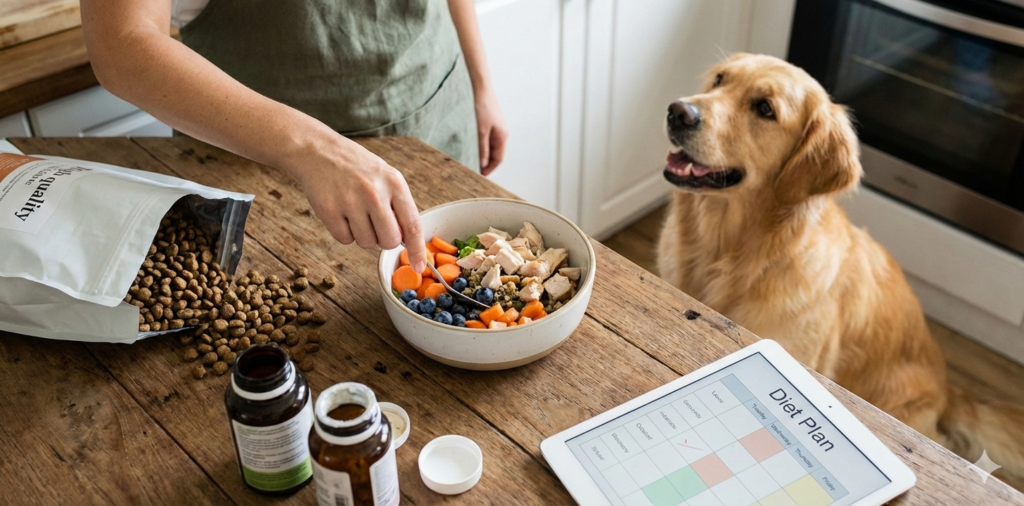
When it comes to sharing fruits and vegetables with our pets, it can be difficult for dog owners to remember which foods are perfectly healthy and which ones could prove fatal. So, where do these bright red berries fall? Can dogs eat raspberries?
Yes, dogs can eat raspberries safely, but only in strict moderation. While raspberries are packed with powerful antioxidants and essential vitamins, they also contain trace amounts of natural xylitol. Therefore, they should only be served as an occasional treat, not a daily meal staple.
In this comprehensive guide, we will explore the exact serving sizes based on your dog’s weight, the key nutritional benefits, hidden side effects, and how to safely introduce raspberries to adult dogs and puppies.
Can Dogs Eat Raspberries Safely?
Yes, raspberries are completely non-toxic to dogs. Unlike some fruits that contain toxic compounds or large seeds that cause dangerous intestinal blockages, raspberries are generally safe for pups of all breeds.
In fact, these sweet berries are relatively low in sugar and calories compared to fruits like bananas or mangos, making them an excellent alternative to processed commercial treats or human snacks like Cheerios. However, because they contain a high amount of dietary fiber and natural sugars, overfeeding can quickly lead to an upset stomach or loose stools.
How Many Raspberries Can a Dog Eat? (Serving Size Table)
To reap the health benefits of this fruit without triggering digestive issues, you must serve it in the proper portion size. As a general rule, treats should never exceed 10% of your dog’s daily caloric intake.
Here is a safe feeding guideline based on your dog’s weight and size:
| Dog Size & Weight | Recommended Portion | Frequency |
| Small Dogs (Under 10 kg) | 2 – 3 Raspberries | 2–3 times per week |
| Medium Dogs (10 to 25 kg) | 4 – 6 Raspberries | 2–3 times per week |
| Large Dogs (25+ kg) | 6 – 10 Raspberries | 2–3 times per week |

Health Benefits of Raspberries for Dogs
When served occasionally and in small quantities, the nutritional profile of raspberries can significantly support your dog’s overall wellness.
Here are the key nutrients packed into these berries:
-
Vitamin C: Acts as a powerful antioxidant that boosts the immune system and fights cellular damage.
-
Vitamin K: Improves bone health and promotes proper blood clotting function.
-
Manganese: Assists in maintaining a healthy metabolism and supports protein function.
-
Dietary Fiber: Aids the digestive tract, helps regulate bowel movements, and prevents constipation.
🐾 Great for Senior Dogs
Raspberries are highly rich in anti-inflammatory properties. This makes them an exceptional snack for older dogs suffering from joint pain, arthritis, or age-related inflammation. Additionally, since they are low in fat and calories, they are perfect for canine weight management.
Are Raspberries Safe for Dogs in Large Quantities? (The Xylitol Risk)
While raspberries are safe, pet parents must be aware of one hidden natural compound: Xylitol.
Xylitol is an artificial sweetener used in human foods that is highly toxic to dogs. Interestingly, raspberries contain one of the highest levels of natural xylitol found in any fruit. While the trace amount in a handful of berries is perfectly harmless to your dog, consuming massive quantities can be dangerous.
Too many raspberries can lead to:
-
Digestive Problems: Excessive fiber intake causes severe diarrhea, gas, and vomiting.
-
Stomach Discomfort: High natural sugars can ferment in the gut, causing painful bloating.
Can Puppies Eat Raspberries?
Yes, puppies can eat raspberries, but you must exercise extra caution. A puppy’s digestive system is still developing and is highly sensitive to sudden dietary changes.
If you want to feed raspberries to a puppy, follow these strict safety steps:
-
Start Micro-Small: Begin by offering just 1 or 2 tiny pieces of a single berry.
-
Prevent Choking: Cut the berry into small, manageable bits, especially for toy breeds.
-
Monitor Closely: Watch for any signs of lethargy, vomiting, or diarrhea over the next 24 hours.
-
Consult Your Vet: Always speak with your veterinarian before introducing any new fruit into a growing puppy’s strict diet.
Can Dogs Eat Frozen Raspberries?
Yes! Plain frozen raspberries make a fantastic, crunchy, and refreshing treat during hot summer days. They are also highly soothing for teething puppies who love to chew on cold textures to relieve gum pain.
Safety Tips for Frozen Berries:
-
Keep It Plain: Only feed 100% plain frozen raspberries. Never use store-bought frozen fruits packed in sugary syrups or artificial preservatives.
-
Thaw Slightly for Small Dogs: Let the frozen berry sit out for a minute to soften slightly so it doesn’t present a solid choking hazard for tiny dogs.
Can Dogs Eat Raspberry Jam or Products?
While fresh and plain frozen berries are perfectly fine, processed raspberry products are highly dangerous for your dog’s health.
-
Avoid Raspberry Jam & Jelly: These are loaded with massive amounts of processed sugar, which can lead to obesity, dental decay, and diabetes in dogs.
-
Avoid Raspberry Desserts & Baked Goods: Store-bought sweets often contain artificial sweeteners like chemical Xylitol (which can cause fatal liver failure in dogs) or harmful ingredients like chocolate.
How to Safely Serve Raspberries to Dogs
To turn this fruit into a safe and creative snack, use these quick preparation methods:
-
Wash Thoroughly: Always rinse the berries under cold water to completely remove harmful pesticides, dirt, and chemical residues.
-
Serve Raw & Plain: Never add sugar, salt, whipped cream, or any extra toppings.
-
Mix with Regular Food: Drop a few fresh raspberries into your dog’s evening kibble to make mealtime more exciting.
-
The Yogurt Mash: Mash a couple of raspberries and mix them into a spoonful of plain, unsweetened xylitol-free yogurt for a probiotic-rich treat.
Final Thoughts
So, can dogs eat raspberries? Absolutely! These delicious red berries are a healthy, nutrient-dense treat that provides excellent antioxidant and anti-inflammatory support. Just remember to stick to the recommended portion sizes based on your dog’s weight, keep an eye out for any stomach sensitivity, and avoid any sugary processed raspberry products.

Hi, I’m Emily! As a certified canine behaviorist and proud dog mom based in Colorado, my goal is simple: to help you and your pup live a happy, balanced life together.
With over a decade of hands-on experience in positive reinforcement and pet nutrition, I share practical, science-backed advice that actually works in the real world. When I’m not writing, you’ll usually find me exploring mountain trails with my two rescue dogs, Max and Luna.