It is one of the most stressful situations for any pet parent when a dog suddenly refuses food. As you stare at their full bowl, you naturally start wondering: How long can a dog go without eating, and is this a temporary phase or a sign of something serious?
A healthy, adult dog can technically survive 3 to 5 days without food, provided they are drinking water regularly. However, surviving is not the same as being safe. If your dog refuses food for more than 48 hours, it becomes a warning sign that requires veterinary attention.
This detailed guide breaks down safe timelines for adult dogs and puppies, critical warning signs, common causes, and exactly what to do to get your dog eating again.
How Long Can a Dog Go Without Eating Safely?
While a dog’s body can survive a few days without food by using its fat reserves, a prolonged lack of nutrition can lead to weaknesses and underlying health complications.
Here is a practical timeline breakdown for a healthy adult dog:
| Time Frame | Concern Level | What It Means |
| 0 – 24 Hours | Low Concern | Often just picky eating or mild, temporary stomach upset. |
| 24 – 48 Hours | Moderate Concern | Monitor closely. The dog might be dealing with stress or a minor infection. |
| 48+ Hours (2 Days) | High Warning | Take action immediately. Internal nutrient deficiencies begin to set in. |
If your dog is not eating for 2 days, it is no longer a situation you should wait out. At this stage, their digestive tract slows down, their immunity weakens, and their body begins breaking down muscle tissue for energy.
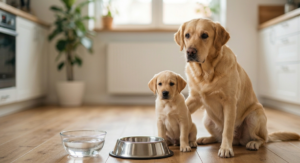
How Long Can a Puppy Go Without Eating?
Unlike adult dogs, the timeline for puppies is incredibly short and dangerous. Puppies have very small energy reserves and require frequent meals to regulate their blood sugar and support rapid growth.
-
8 – 12 Hours: Mild concern. Monitor their energy levels closely.
-
12 – 24 Hours: Serious situation. Risk of hypoglycemia (low blood sugar) increases.
-
24+ Hours: Medical Emergency. Take your puppy to the vet immediately.
Dog Not Eating But Drinking Water: What Does It Mean?
If your dog is not eating but drinking water, it is a mixed signal. On the positive side, staying hydrated significantly reduces the immediate risk of severe dehydration. On the negative side, it clearly indicates that something is physically or emotionally blocking their appetite.
The most common reasons behind this behavior include:
-
Mild Stomach Upset: Your dog might feel temporary nausea or have a minor gut disturbance.
-
Stress and Anxiety: Environmental shifts like moving to a new home, loud noises (fireworks), or separation anxiety can kill their appetite.
-
Dental Pain or Mouth Injuries: Broken teeth, swollen gums, or a sharp object stuck in their mouth can make chewing painful.
-
Underlying Medical Issues: Early stages of infections, parasites, or organ stress often show up as a loss of appetite first.
When Should I Worry If My Dog Won’t Eat?
Many owners struggle to decide when to call the doctor. You should stop waiting and visit a veterinarian immediately if your dog’s loss of appetite comes with any of these symptoms:
-
The refusal to eat has lasted for 48 hours or more (or over 12 hours for a puppy).
-
Your dog is vomiting, dry heaving, or has diarrhea.
-
Your dog is unusually lethargic, quiet, or weak.
-
There is a sudden, noticeable weight loss.
-
Your dog is refusing both food and water.
-
They show physical signs of pain, such as whining, hiding, or limping.
What to Do If Your Dog Is Not Eating
If you are worried about your dog skipping meals, use these practical steps to evaluate the situation and encourage them to eat:
-
Assess Overall Behavior: Check if they are active or lethargic. Look for signs of illness like vomiting to determine if it is an emergency.
-
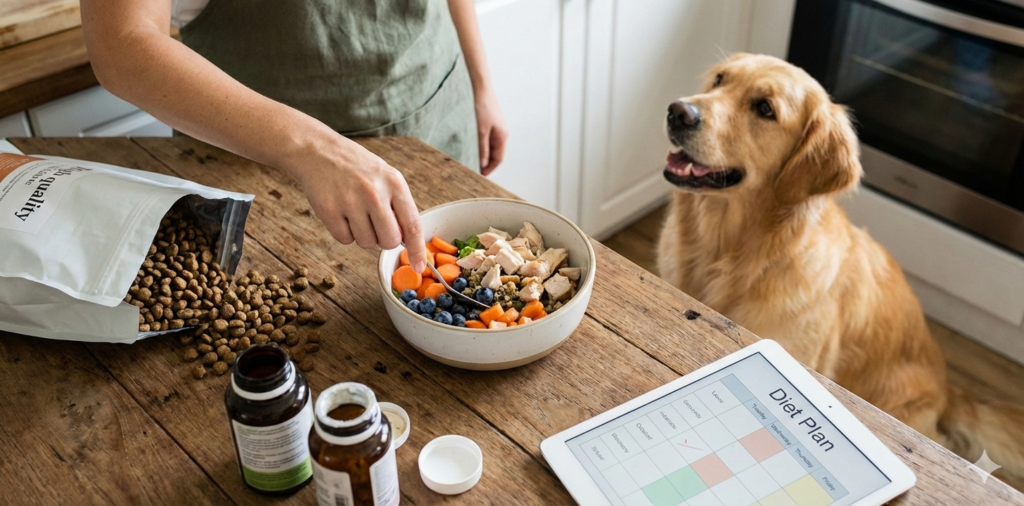
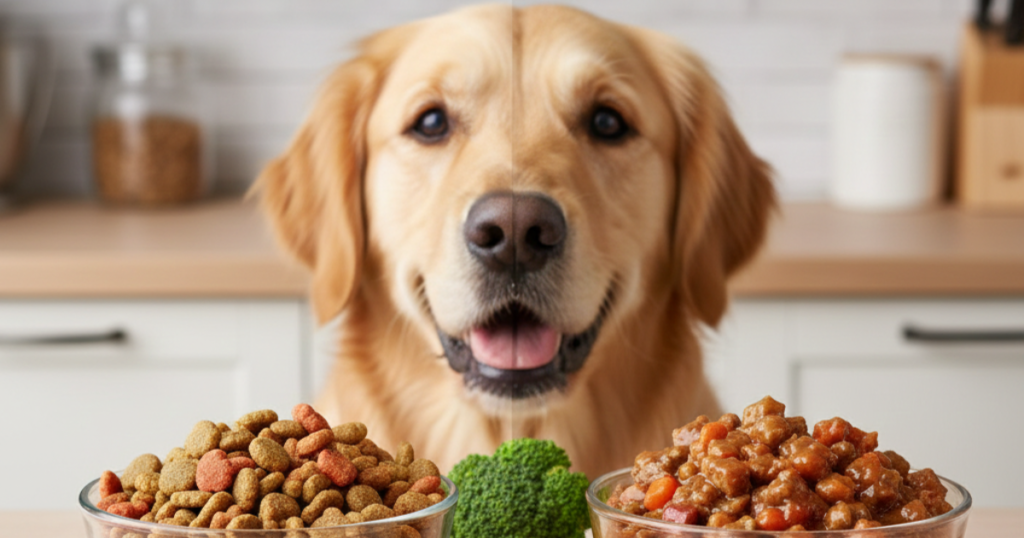
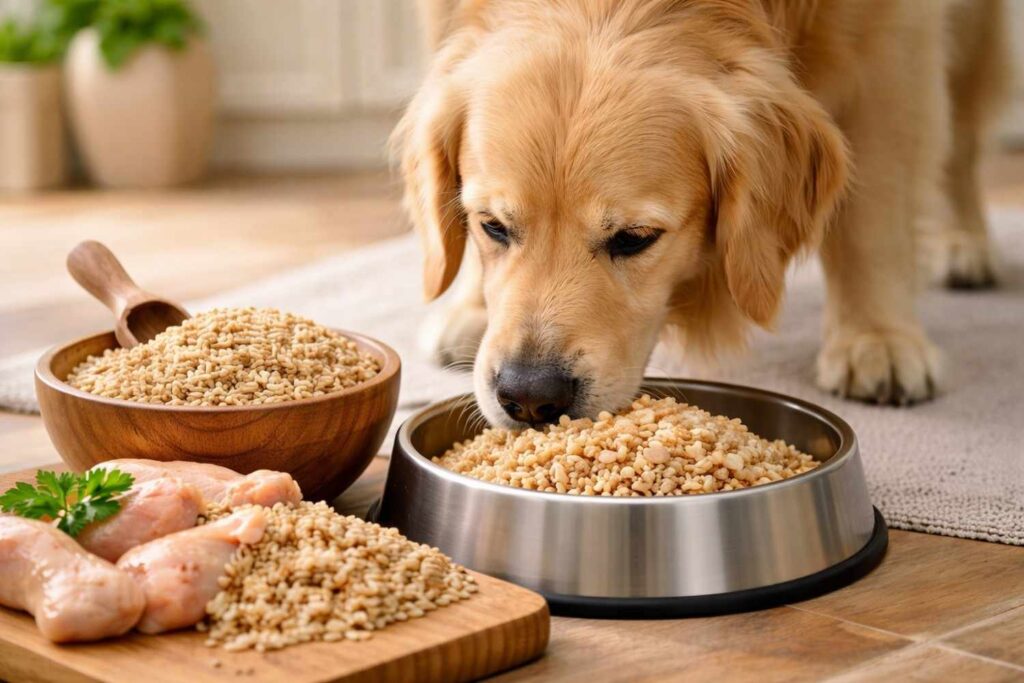
Make the Food More Interesting: Mix their dry kibble with high-quality wet food. You can also offer bland, freshly cooked foods like boiled chicken breast and plain white rice (without any oil, salt, or spices).
-
Create a Calm Feeding Zone: Eliminate loud noises and distractions during mealtime. Stick to a consistent daily feeding schedule.
-
Avoid Free Feeding: Do not leave the food bowl out all day. Leave it out for 20 to 30 minutes, and if they don’t eat, pick it up. This builds a structured routine and creates healthy hunger cues.
Common Reasons Why Dogs Stop Eating
Understanding why your dog is turning their nose up at food can help you address the root issue:
-
Illness or Infection: Medical conditions, stomach bugs, kidney issues, or a fever will naturally lower a dog’s hunger.
-
Sudden Food Changes: Dogs have sensitive digestive systems. Changing their food brand or flavor too quickly can lead to food refusal.
-
Overfeeding Treats: Giving your dog too many high-value treats (or human foods like Cheerios) throughout the day will make them skip their main, nutritious meals.
-
Medication Side Effects: If your dog started a new medication or recently received vaccines, a temporary drop in appetite is a common side effect.
Final Thoughts
So, how long can a dog go without eating? While an adult dog can survive 3 to 5 days on water alone, waiting that long puts their health at serious risk. For puppies, a single day without food is an emergency. Keep a close eye on their hydration, look for accompanying symptoms, and when in doubt, always consult your vet to keep your furry friend safe.

Hi, I’m Emily! As a certified canine behaviorist and proud dog mom based in Colorado, my goal is simple: to help you and your pup live a happy, balanced life together.
With over a decade of hands-on experience in positive reinforcement and pet nutrition, I share practical, science-backed advice that actually works in the real world. When I’m not writing, you’ll usually find me exploring mountain trails with my two rescue dogs, Max and Luna.